


When I look for nature wall art, I want more than a beautiful image. I want to know where the photograph came from, who created it, and whether the conservation claim has a clear meaning.
That is the standard I apply to Moss Fine Art. The photographs are original images I created in the wild, featuring real animals, landscapes, and underwater environments. For the relevant Moss collection model, 10% of profits are donated quarterly to conservation partners.
That wording matters. It explains the percentage, identifies the source as profits rather than sales, and makes the donation schedule clear. It also avoids suggesting that every purchase directly pays for one specific research project.
This guide explains how conservation photography prints can support real conservation work, how to evaluate “gives back” claims, and what to look for when choosing nature wall art for your home, office, or commercial interior.
What “conservation photography prints” should mean
Conservation photography connects an image with the species, habitat, or environmental issue it represents. The strongest examples provide three things:
-
Authentic photography
The image should come from a real photographer and a real location. It should not be stock photography, an AI-generated scene, or a generic image selected only to suggest environmental values. -
A defined financial model
“A portion of proceeds supports the planet” is incomplete. Buyers should be able to find the percentage, whether it applies to sales or profits, and how often donations are made. -
A named organization or conservation area
A credible claim identifies the partner whenever possible. Buyers can then review that organization’s mission, programs, and reporting independently.
At Moss Apparel, I use real wildlife and landscape photography across apparel and Fine Art. The conservation commitment is separate from the visual appeal of the work. A photograph can be stunning on the wall while still being described honestly and accurately.
How Moss Fine Art gives back
The relevant collection model is simple: 10% of profits are donated quarterly. This is not the same as saying that 10% of every purchase, 10% of sales, or 100% of proceeds is donated.
The distinction is important because “profits” are calculated after business expenses. It is a more specific and more limited claim than a sales-based donation. I would rather state the model plainly than use a larger-sounding phrase that does not describe how the program works.
The Moss nonprofit partnerships page provides an overview of the organizations connected to Moss Apparel. Product and collection pages provide additional context about the subject of an image and its conservation connection.
That structure allows a buyer to ask sensible questions:
- What organization receives support?
- Is the donation based on profits, sales, or a fixed amount?
- Does the claim apply to the entire store or a specific collection?
- Are donations made once, monthly, or quarterly?
- Is the organization’s mission related to research, habitat, wildlife protection, or ocean restoration?
Those questions help separate a real conservation connection from general environmental language.
A real research connection: sharks and marine science
A clear example is the connection between shark photography and the Bimini Shark Lab.
According to the Shark Lab’s official website, its mission is to understand the biology of sharks and rays and their role in marine ecosystems through field and laboratory research. Its work includes molecular and behavioral ecology, physiology, conservation biology, and sensory biology. The organization also supports education and shares results through scientific publications, conferences, fishery reports, and public outreach.
That is different from simply saying that a shark image “raises awareness.” Awareness can be useful, but it is not the same as field research or laboratory science.
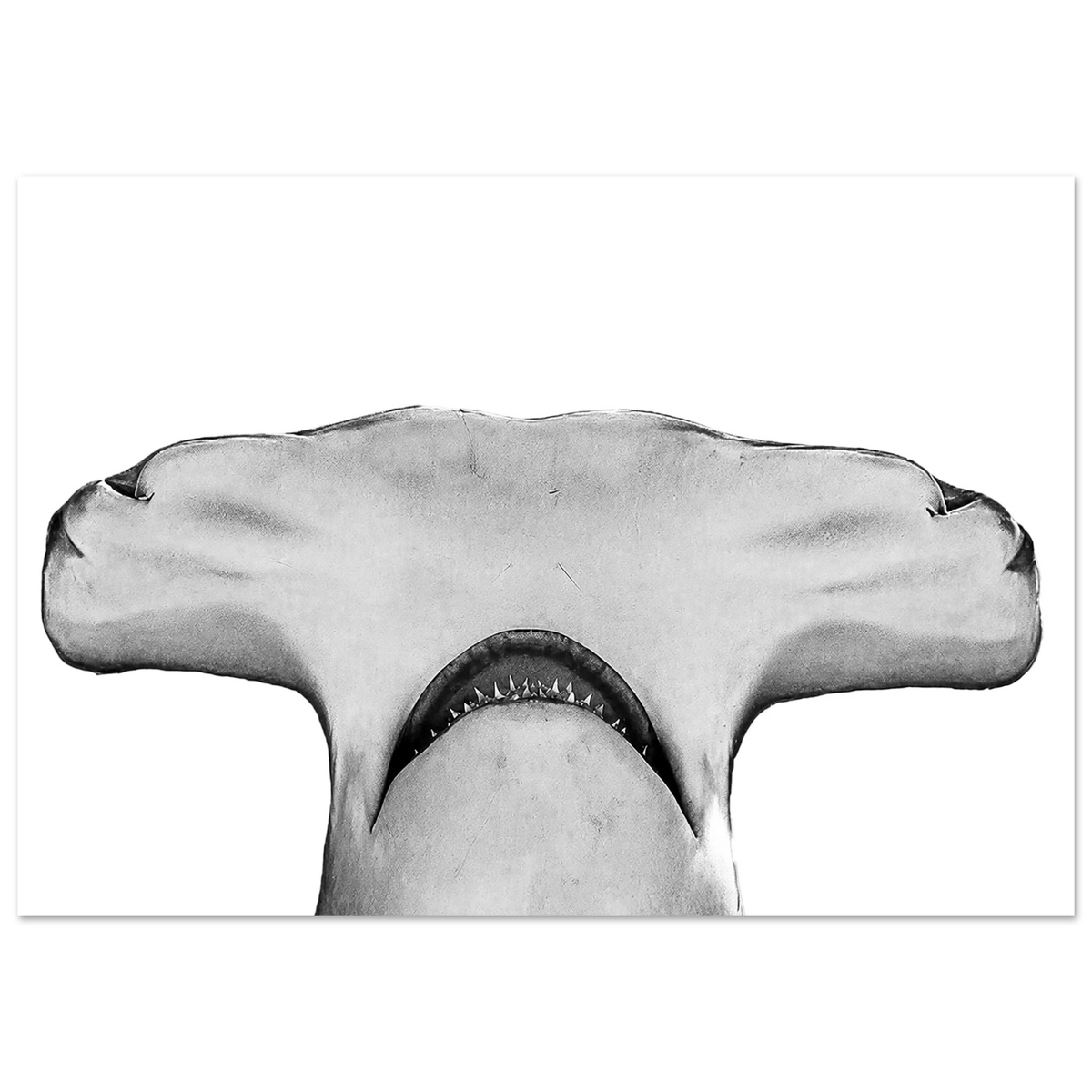
The Great Hammerhead Shark Aluminum Print – Underwater Photography by Robert Moss shows a great hammerhead photographed in Bimini, Bahamas. The image is available as a durable aluminum print with a clean, modern presentation suited to coastal interiors, offices, and minimalist spaces.
The artwork gives buyers a direct connection to a real species and location. The conservation model then adds a financial connection through the relevant Moss collection.
VIEW THE GREAT HAMMERHEAD SHARK PRINT
Conservation is broader than research
Not every conservation partner funds scientific research. Some support habitat restoration, wildlife protection, environmental education, or pollution removal. These activities are valuable, but they should not be described as something else.
For example, the Bee and Butterfly Habitat Fund focuses on establishing high-quality habitat for pollinators and measuring environmental impact. Its official programs work with landowners, land managers, and solar developers. The organization describes benefits that include support for native bees, honey bees, monarch butterflies, soil health, water quality, and biodiversity.
That is habitat work. It may be informed by science and measured over time, but it is not automatically the same as funding a laboratory study.
The same principle applies to ocean organizations. An initiative focused on plastic removal, such as Seven Clean Seas, should be described in terms of ocean plastic recovery, community work, and environmental impact. It should not be presented as shark research unless the organization’s official materials support that claim.
I use this distinction because conservation buyers deserve precision. Supporting habitat, research, restoration, and wildlife protection are all meaningful. They simply describe different types of work.
Three details to check before buying nature wall art
1. Confirm the photograph’s subject and location
Specific details make an artwork more trustworthy. A named species, park, country, or ecosystem gives the image context.
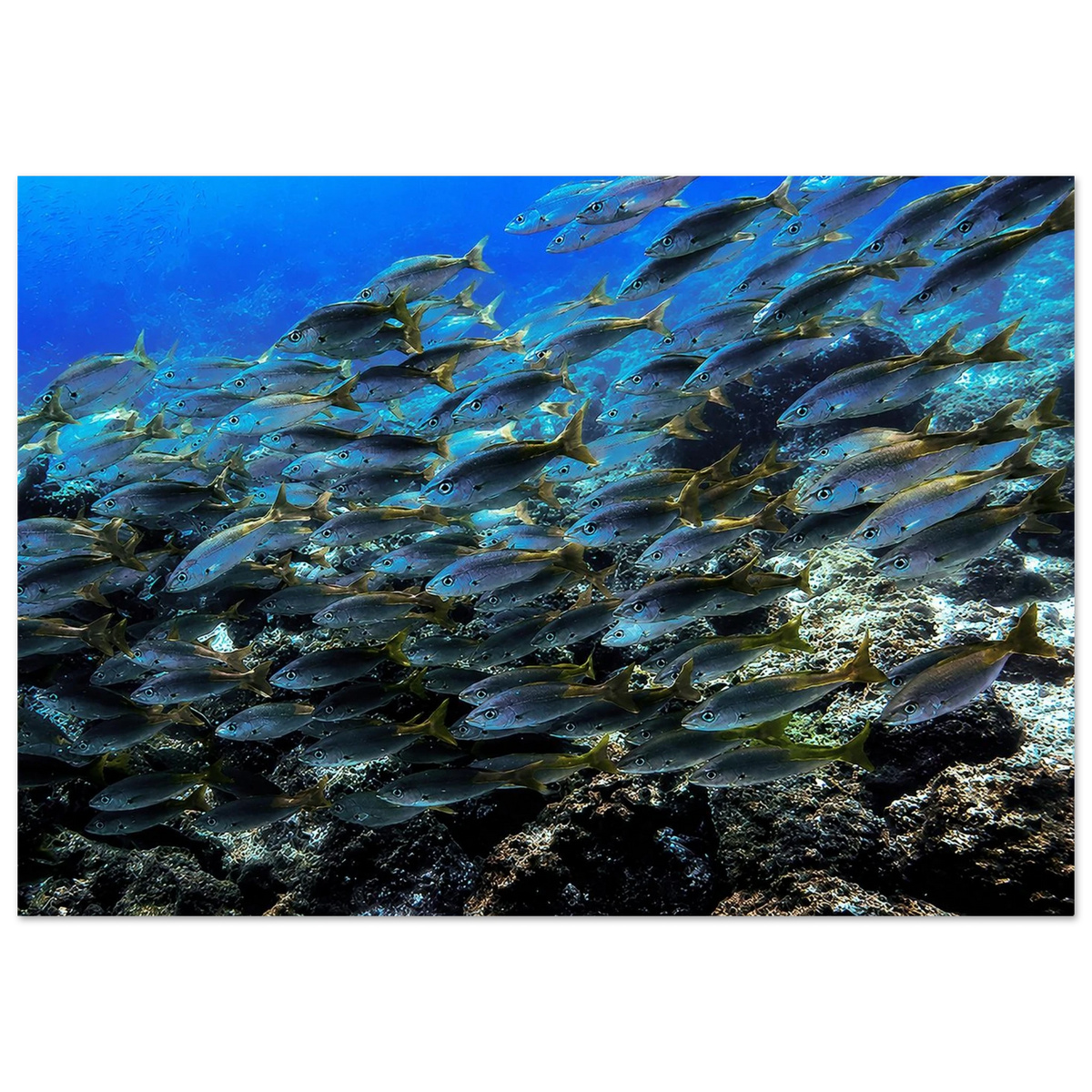
The School of Fish Ocean Fine Art Aluminum Print – Photography by Robert Moss features a school of fish photographed in Costa Rica. It belongs naturally in an ocean wall art collection, particularly in interiors that use blue, black, white, and other restrained coastal tones.
The image is not presented as a generic “save the ocean” graphic. It shows a specific underwater environment and supports a broader marine conservation connection.
2. Read the donation wording carefully
Look for the exact terms:
- 10% of profits
- 10% of sales
- A fixed amount per order
- Net proceeds
- A portion of proceeds
These terms are not interchangeable. A business should not describe a profit-based model as though it were a sales-based model.
At Moss Apparel, the authoritative wording for the relevant collection model is 10% of profits donated quarterly. Buyers can also review the Fine Art collection and the nonprofit partnerships page for collection context.
3. Match the artwork to the kind of conservation you care about
Wildlife photography prints may connect with habitat protection. Ocean photography prints may connect with marine conservation or pollution removal. Shark photography may connect with research and species protection.
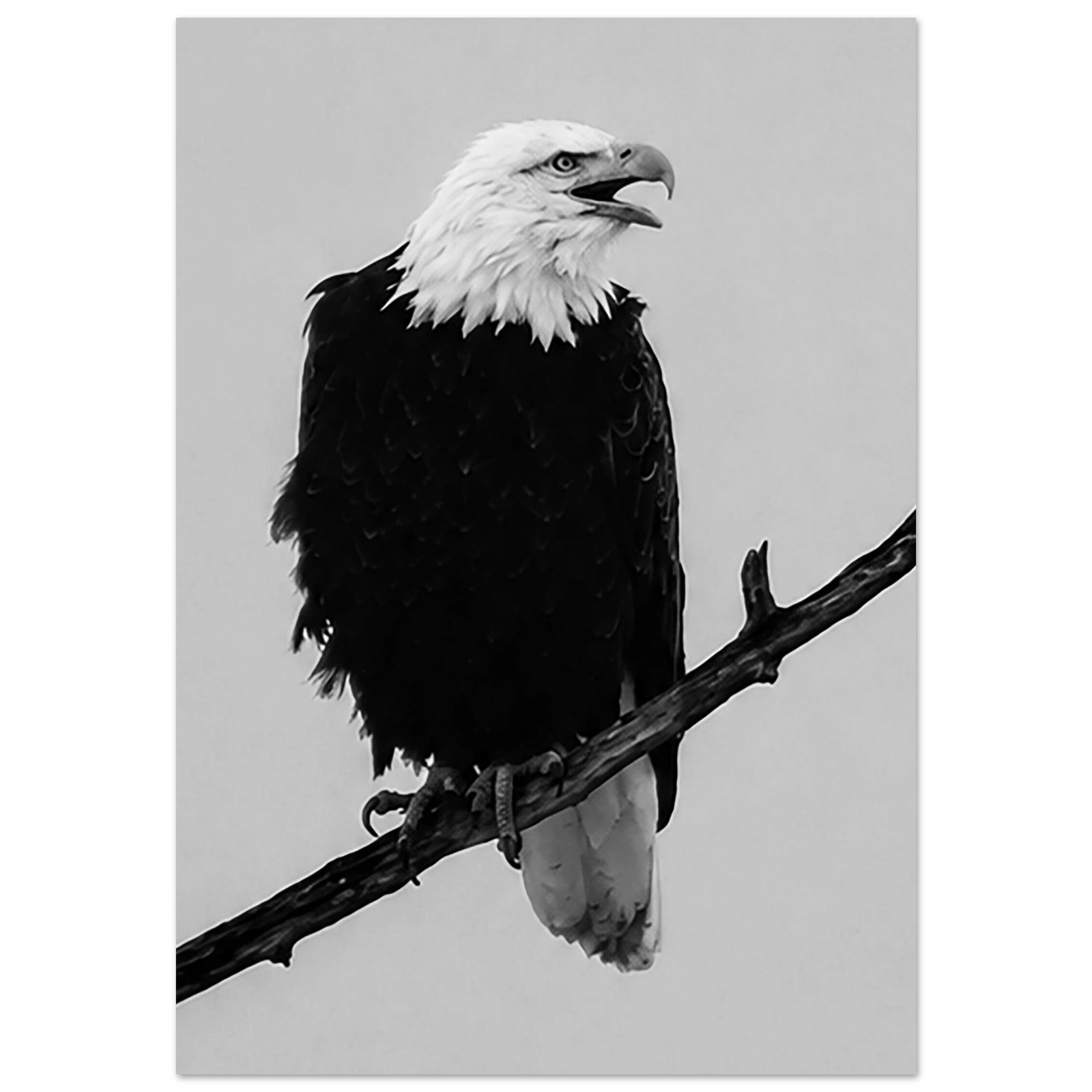
For a North American wildlife subject, the Bald Eagle's Call Aluminum Wall Art by Robert Moss – Grand Tetons Wildlife Photography shows a bald eagle photographed in Grand Teton National Park. The image works as wildlife wall art, patriotic nature decor, or a strong focal point in a modern office.
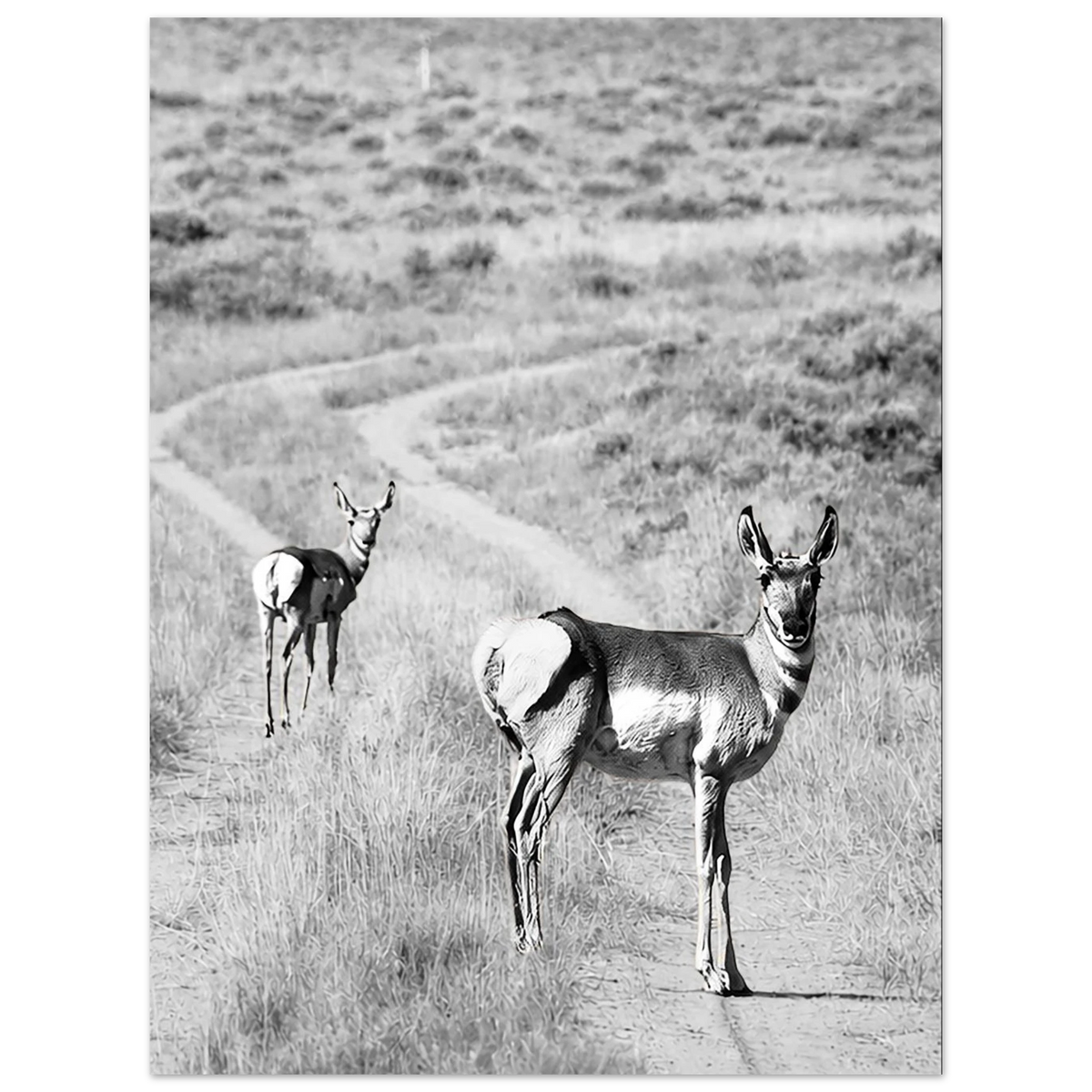
For a landscape with a direct wildlife context, Pronghorn on the Road Fine Art Print by Robert Moss – Wildlife Photography documents Wyoming pronghorn moving through a landscape shaped by both natural terrain and human obstacles. It is a strong choice for buyers searching for wildlife photography prints with a clear sense of place.
Choose art that is beautiful, durable, and accountable
The practical side matters too. Fine art photography should work in the room where it will be displayed. Consider scale, lighting, wall color, framing, and the materials used.
Aluminum wall art offers a sleek profile and a glare-conscious finish that suits contemporary interiors. Framed photography provides a more traditional gallery appearance. Fine art paper prints offer flexibility for buyers who already have a preferred frame.
The best choice is the one that combines visual quality with honest information. Start with the image. Confirm the subject and location. Read the donation language. Review the partner’s official website. Then decide whether the artwork belongs in your space.
I created Moss Fine Art to bring people closer to real wildlife, real landscapes, and real underwater environments. The conservation model is intended to extend that connection beyond the wall. It does not replace direct giving or claim that one print solves a complex environmental problem. It provides a clear, ongoing way for art purchases to support organizations doing conservation work.
SHOP CONSERVATION-MINDED NATURE WALL ART
Explore the Moss Fine Art photography collection, wildlife collection, and wildscapes and landscapes collection.
About Robert Moss
For me, nature photography begins with respect. I believe the best wildlife photographs come from observing rather than interfering: allowing an animal, landscape, or moment to exist naturally and being patient enough to capture it as it unfolds.
My goal is not simply to photograph wildlife, but to create images that convey the character, beauty, scale, and vulnerability of the natural world. From wildlife encounters to remote landscapes and underwater environments, I am drawn to moments that remind us how extraordinary the wild still is.
I approach each photograph with the intention of keeping the scene authentic, preserving the natural behavior of the subject and the atmosphere of the place. That philosophy carries through to Moss Apparel and Moss Fine Art. The photographs are not only meant to be seen; they are intended to create a greater connection with the places and species they represent.
Through Moss Apparel and Moss Fine Art, 10% of profits support nonprofit organizations working in wildlife conservation, habitat protection, and ocean restoration.
Robert Moss
Founder and Photographer, Moss Apparel


