


DRAFT FOR REVIEW : NOT PUBLISHED OR SCHEDULED
Wildlife conservation depends on more than protecting isolated pieces of habitat. Animals need to move between feeding areas, winter range, breeding grounds, and seasonal habitat. In Wyoming, highways and fencing can interrupt those movements.
At Moss Apparel, I believe conservation should be practical, transparent, and connected to everyday choices. That is why our WYldlife for Tomorrow collection supports the work of The WYldlife Fund, a nonprofit partner to the Wyoming Game and Fish Department.
The Fund’s work includes wildlife crossings, migration corridor conservation, wildlife-friendly fencing, research, and education. These projects help protect Wyoming’s pronghorn, mule deer, and other big game while also improving safety for drivers.
Why connected habitats matter
Wyoming’s wildlife does not recognize property boundaries or highway lines. Pronghorn and mule deer move across large landscapes as conditions change. Seasonal movements may take animals through private land, public land, working ranches, and areas crossed by major roads.
When those routes are blocked, the effects can be serious:
- Animals may be unable to reach important winter range.
- Fencing can prevent pronghorn from accessing habitat.
- Highways can divide seasonal ranges.
- Wildlife-vehicle collisions can injure or kill animals and people.
- Fragmented habitat can make already difficult migrations more dangerous.
The WYldlife Fund’s official site reports $3,311,819 awarded to Wyoming wildlife projects and initiatives as of December 2024. It also lists 82 supported projects and initiatives. Together, these figures show the importance of coordinated conservation work across the state.
Connected habitat is not a single project. It is a long-term strategy that combines land stewardship, research, infrastructure, partnerships, and funding.
Wildlife crossings reduce dangerous road crossings
A wildlife crossing gives animals a safer way to move across a road. Underpasses allow wildlife to travel below the roadway. Overpasses create a land bridge above it. Fencing is used alongside these structures to guide animals toward the safe passage instead of the pavement.
The Kemmerer Highway 189 Wildlife Crossing project shows why this approach matters. According to The WYldlife Fund, Wyoming averages 6,000 vehicle collisions with big game annually.
The Fund reports that Highway 189 affects both mule deer and pronghorn. The highway crosses traditional winter range used by the Uinta and Wyoming Range mule deer herds. It also affects the Carter Lease pronghorn herd.
The problem is not limited to the road itself. Existing right-of-way fencing along Highway 189 is described by the Fund as almost exclusively netwire. That fencing creates a movement barrier for pronghorn while still allowing mule deer to reach the highway.
A connected solution must address both problems: the roadway and the fence.
Migration corridors keep seasonal movements open
A migration corridor is a route animals use to travel between seasonal habitats. For big game, these routes can be essential to reaching food, shelter, and winter range.
The WYldlife Fund’s Pooled Migration Fund initiative supports voluntary conservation on private and Tribal lands within designated Wyoming migration corridors. The initiative includes the Platte Valley, Baggs, and Sublette mule deer migration corridors, along with multispecies seasonal ranges in the Shoshone River valleys and Wind River Indian Reservation.
This work matters because migration corridors often cross working lands. Conservation does not always mean removing people from the landscape. It can mean supporting landowners and land managers who want to maintain habitat and wildlife movement while continuing responsible land use.
The Fund describes this approach as a partnership model involving private landowners, Tribal partners, state agencies, federal programs, and philanthropic organizations. The goal is practical: keep working lands working while protecting important wildlife routes.
Wildlife-friendly fencing can remove barriers
Fencing is useful for livestock management, property boundaries, and highway safety. But the design and location of a fence can determine whether it helps or harms wildlife movement.
The WYldlife Fund reports work supporting 23 miles of wildlife-friendly fencing in the Red Desert. The project converted woven wire fencing to four-strand barbed and barbless wire. According to the Fund, the improvement helps big game movement, especially pronghorn.
The fencing project opened access to more than 15,000 acres of crucial winter range that had been inaccessible to pronghorn. The Fund also reports that the improved fence line allows access to more than 10,000 acres of critical winter range in the project area.
This is an important distinction. Wildlife-friendly fencing is not about removing every fence. It is about designing and modifying fences so animals can move through the landscape more safely.
For pronghorn, fence design is especially important. A fence that blocks movement can prevent access to habitat. A modified fence can improve passage while continuing to serve land-management needs.
The Kemmerer Highway 189 project
The Highway 189 crossing south of Kemmerer is one of Wyoming’s major wildlife connectivity projects.
The WYldlife Fund’s project update reports that the project is supported by:
- A $24.3 million Federal Highway Administration grant
- $4.2 million in WYDOT formula funds
- $8.8 million from 15 partners and nonprofits
The project includes seven underpasses, one overpass, and fencing along a 30-mile stretch of highway. The Fund reports that the crossing is projected to reduce collisions by 80–90%.
This project is designed to improve safety for both wildlife and motorists. It also supports movement for the Carter Lease pronghorn herd and the Wyoming Range and Uinta deer herds.
The project demonstrates how conservation infrastructure works best when it is planned around real animal movement, collision data, seasonal habitat, highway design, and local partnerships.
It also shows why conservation funding must support more than one type of solution. A crossing without adequate fencing may not guide animals safely. Fencing without a suitable crossing may simply create another barrier. Connected conservation requires both.
Conservation apparel with a direct connection
I created Moss Apparel to connect real wildlife photography with conservation support. The images used in our apparel are made to keep wildlife visible in everyday life, while the conservation partnerships connect purchases to organizations working on the ground.
The Bighorn Sheep Fun, The WYldlife Fund, Moss Apparel, Hoodie is part of the WYldlife for Tomorrow collection. It features a real wildlife photograph and is designed for practical everyday wear.
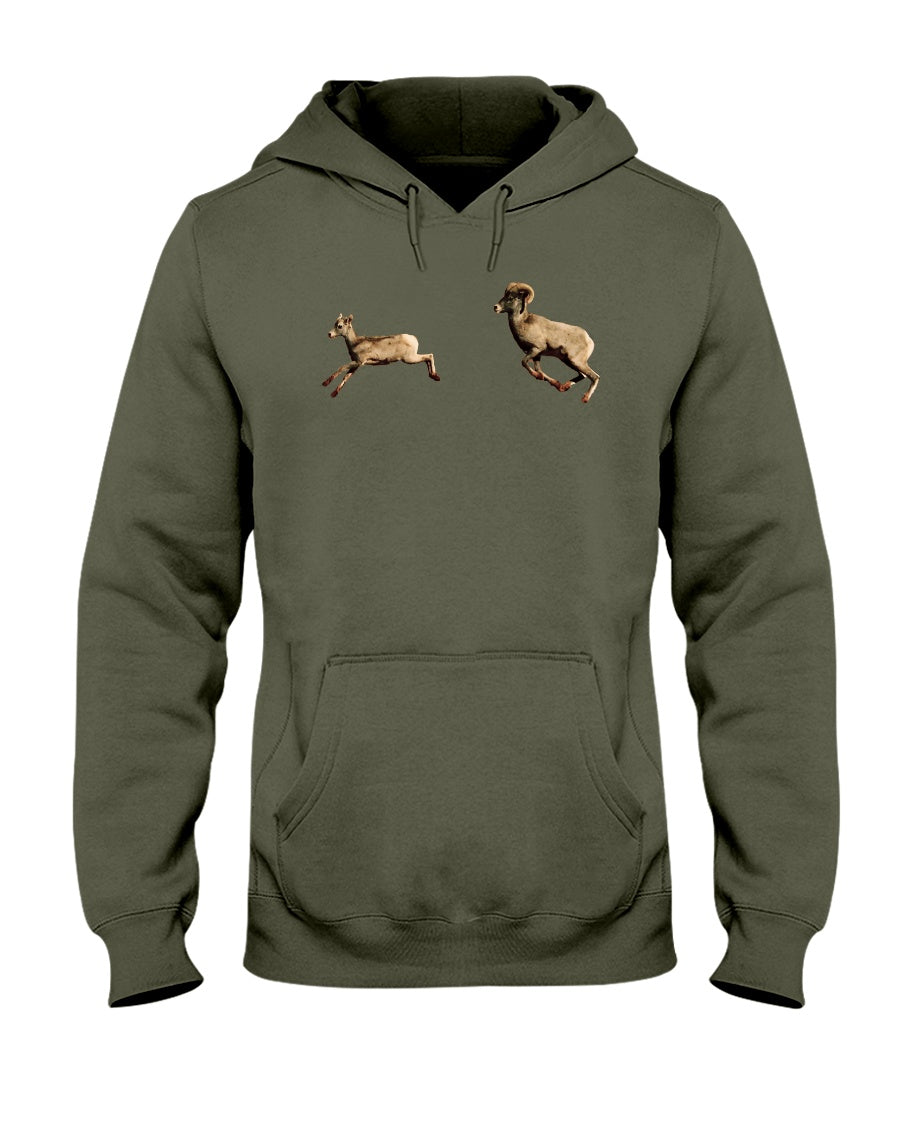
The verified specifications include:
- 50% cotton / 50% polyester
- 271 g/m² fabric weight
- Classic fit
- Preshrunk fleece knit
- Air-jet yarn for a softer feel and reduced pilling
- Double-lined hood with color-matched drawcord
- Double-needle stitching at the shoulder, armhole, neck, waistband, and cuffs
- Pouch pocket
- 1x1 rib with spandex
- Satin label
- Unisex design
- Machine washable
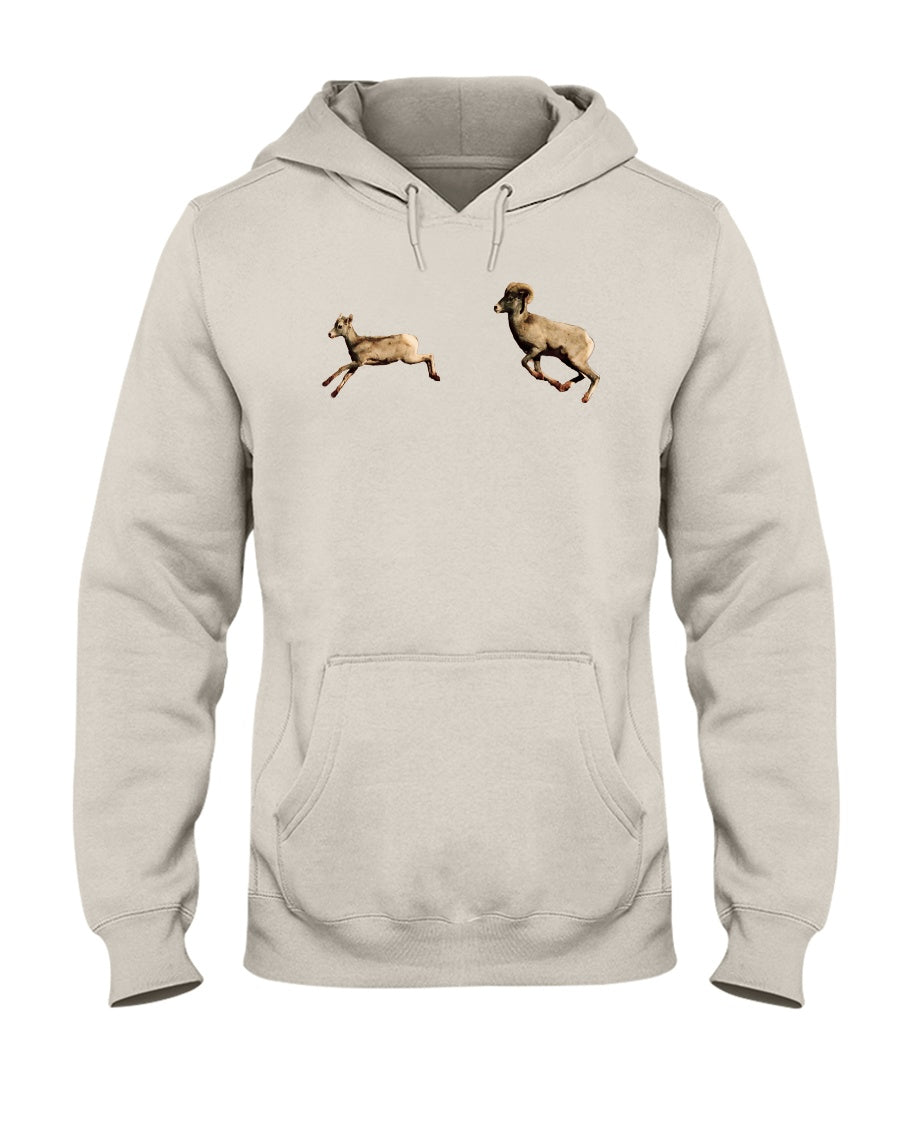
The hoodie is priced at $55. Free shipping is available for purchases over $60.
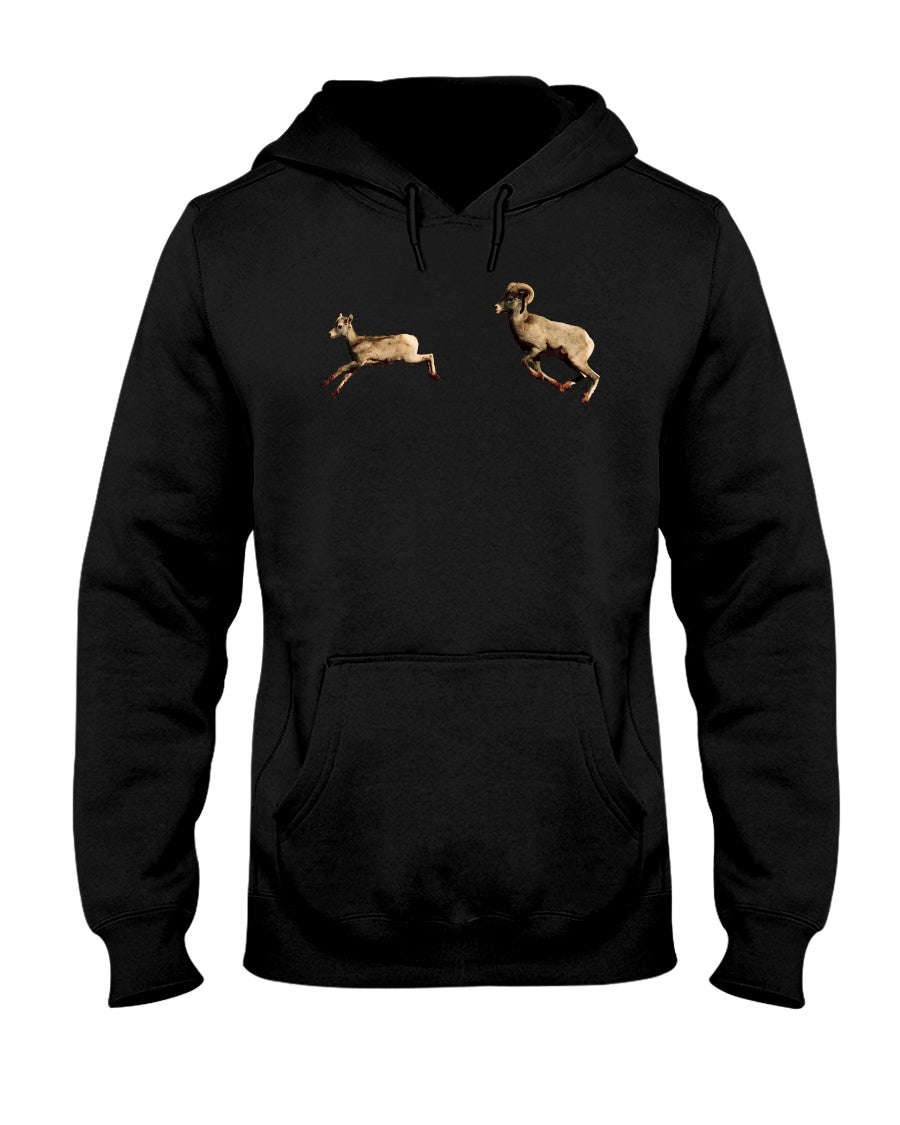
How purchases support The WYldlife Fund
Moss Apparel makes the donation model clear:
10% of profits from Moss Apparel’s WYldlife for Tomorrow collection are donated quarterly to The WYldlife Fund.
That support is connected to the Fund’s broader conservation work, including wildlife crossings, habitat projects, migration corridor stewardship, wildlife-friendly fencing, research, and education.
A purchase does not replace direct giving or participation in conservation programs. It is one additional way to support the conversation and help fund the organizations doing the work.
SHOP THE WYLDLIFE FOR TOMORROW COLLECTION
Explore the full WYldlife for Tomorrow collection for wildlife conservation apparel featuring real photography by Robert Moss.
To learn more about the conservation work behind this partnership, visit The WYldlife Fund and read its News & Happenings.
@MOSSAPPAREL
Follow @mossapparel for new wildlife photography apparel, conservation updates, and product releases.
Approved Robert Moss Bio
For me, nature photography begins with respect. I believe the best wildlife photographs come from observing rather than interfering: allowing an animal, landscape, or moment to exist naturally and being patient enough to capture it as it unfolds.
My goal is not simply to photograph wildlife, but to create images that convey the character, beauty, scale, and vulnerability of the natural world. From wildlife encounters to remote landscapes and underwater environments, I am drawn to moments that remind us how extraordinary the wild still is.
I approach each photograph with the intention of keeping the scene authentic, preserving the natural behavior of the subject and the atmosphere of the place. That philosophy carries through to Moss Apparel and Moss Fine Art. The photographs are not only meant to be seen; they are intended to create a greater connection with the places and species they represent.
Conservation is at the heart of that mission because this approach becomes harder each year as the world changes, wildlife numbers decline, and natural spaces are threatened. Through Moss Apparel and Moss Fine Art, 10% of profits support nonprofit organizations working in wildlife conservation, habitat protection, and ocean restoration.
: Robert Moss, Founder & Photographer, Moss Apparel


