


Hey there! If you’ve spent any time in your garden lately, you’ve probably noticed the small, buzzing workforce that keeps the world turning. Bees, butterflies, and other pollinators aren’t just "nice to have": they are the backbone of our ecosystems. At Moss Apparel, we’re obsessed with protecting these tiny legends. That’s why we partner with the Bee and Butterfly Habitat Fund (BBHF), donating 10% of our pollinator collection proceeds to help restore high-quality habitats across the country.
Restoring pollinator health doesn't just happen on massive solar farms or vast prairies; it starts right in your backyard. Whether you have a few pots on a balcony or a sprawling lawn, you can make a massive impact. Here is our simple, 5-step guide to turning your garden into a pollinator paradise.
1. PLANT DIVERSE NATIVE SPECIES
The most important rule in pollinator gardening is "know your neighbors." Native pollinators have spent thousands of years evolving alongside native plants. They depend on specific flowers for nectar and pollen. While those bright, exotic flowers at the big-box store might look pretty, they often lack the nutritional value or the physical "landing pad" that local bees and butterflies need.
The Bee and Butterfly Habitat Fund emphasizes high plant diversity: their NextGen™ seed mixes often include over 40 species of wildflowers! You can bring this same principle to your garden. Aim for a mix of flower shapes (spikes, tubes, and flat umbels) to accommodate different species, from short-tongued bees to long-proboscis butterflies.
BEE AND BUTTERFLY HABITAT FUND, BEE POLLINATING GRAPHIC, MOSS APPAREL, ULTRA COTTON T-SHIRT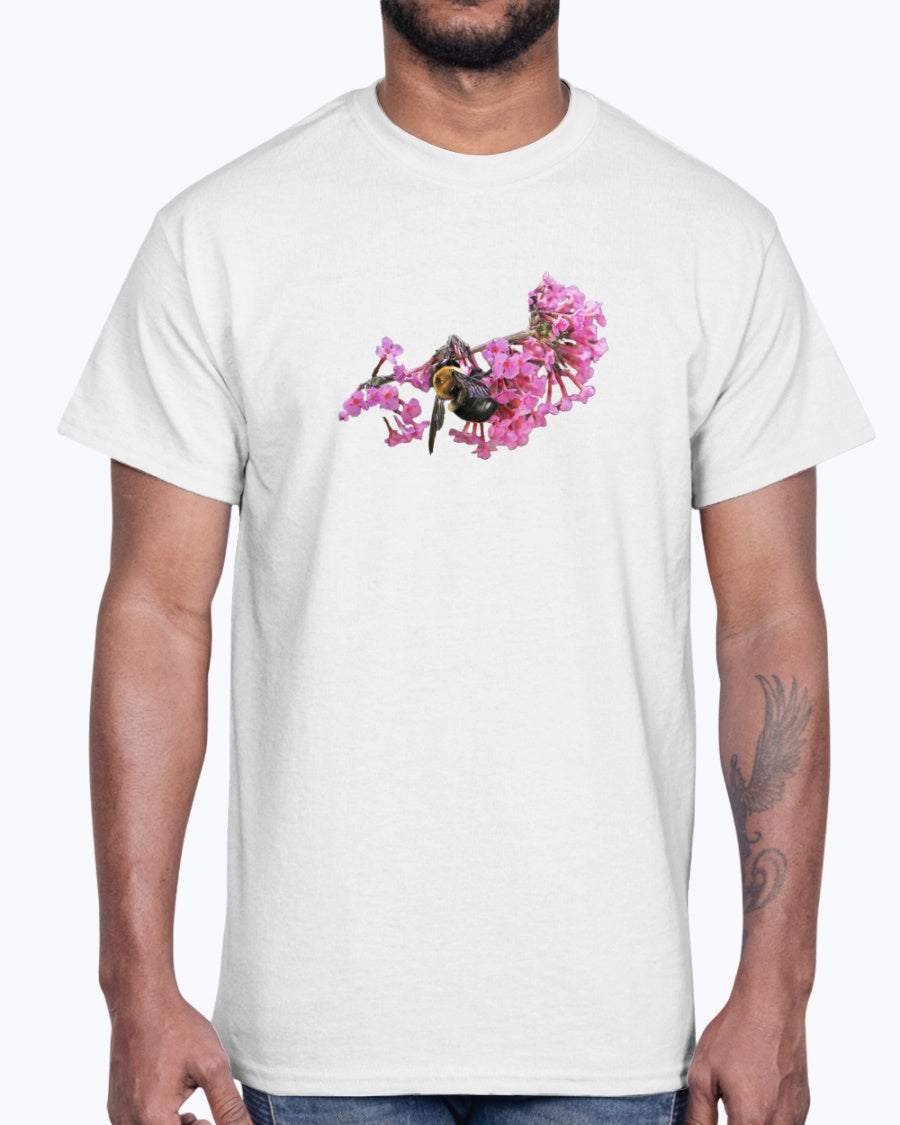
SHOP NOW
2. PLAN FOR CONTINUOUS BLOOM
Pollinators need to eat from the moment they emerge in early spring until they hunker down for winter in late fall. A common mistake is having a garden that "pops" in June and July but is a desert by September.
To support the full life cycle of pollinators:
- Early Spring: Plant species like willow or prairie smoke to feed bees waking up from winter.
- Mid-Summer: This is peak season. Milkweed, coneflowers, and bee balm are absolute staples.
- Late Fall: This is critical for migrating Monarchs and bees preparing for winter. Asters and goldenrods are the "gas stations" they need for their long journeys.
CARNATION FLOWER FLORAL, FLOWER, MOSS APPAREL, UNISEX HOODIE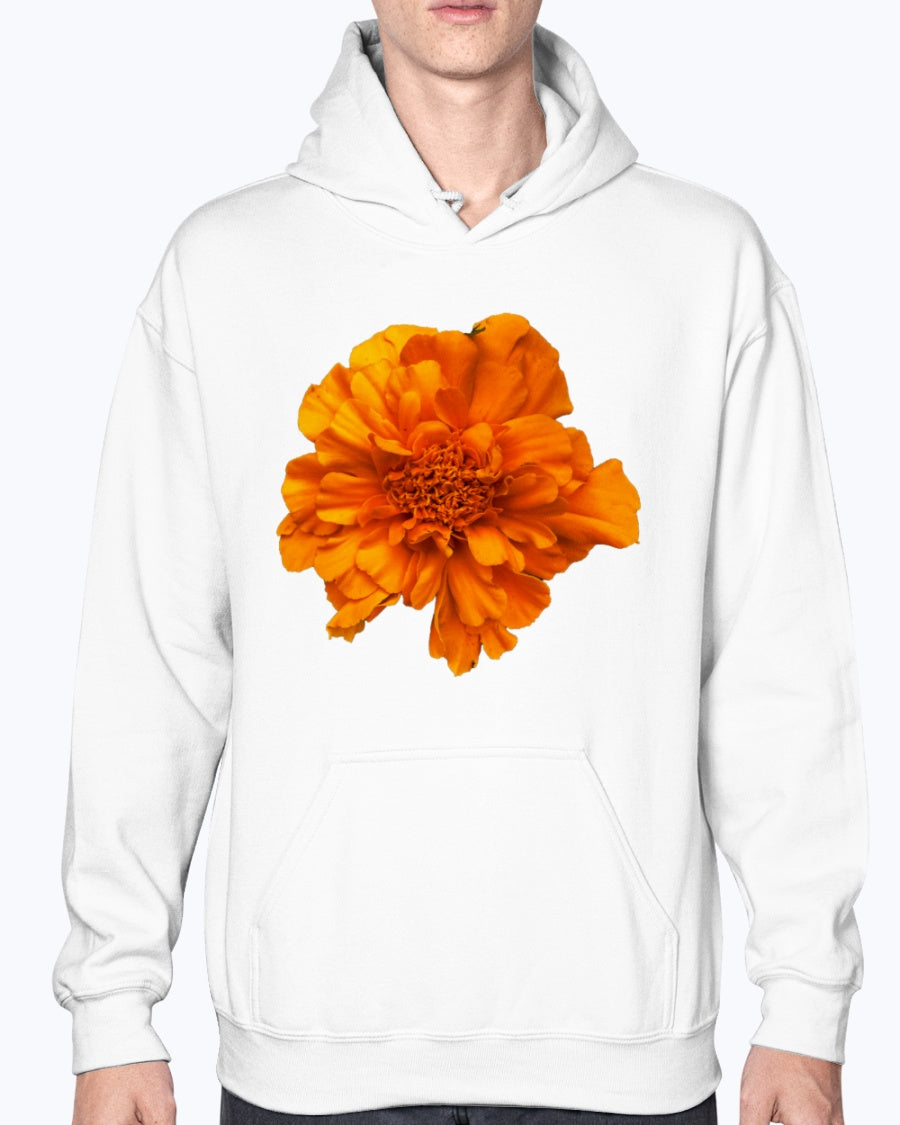
SHOP NOW
3. PROVIDE NESTING AND OVERWINTERING SITES
A "clean" garden is often a dead garden. If you cut everything back to the ground every fall and mulch over every inch of soil, you are effectively destroying the homes of next year’s pollinators.
- Leave the Leaves: Many butterfly larvae overwinter in leaf litter. Instead of bagging them, rake them into your garden beds.
- Save the Stems: Many native bees nest in the hollow centers of dried plant stems. Wait until spring (when temperatures are consistently above 50°F) to cut back your perennials.
- Bare Ground: About 70% of our native bees are ground-nesting. Leave a few patches of well-drained, unmulched soil for them to burrow.
BEE AND BUTTERFLY HABITAT FUND, BEE POLLINATING GRAPHIC, MOSS APPAREL, CREWNECK SWEATSHIRT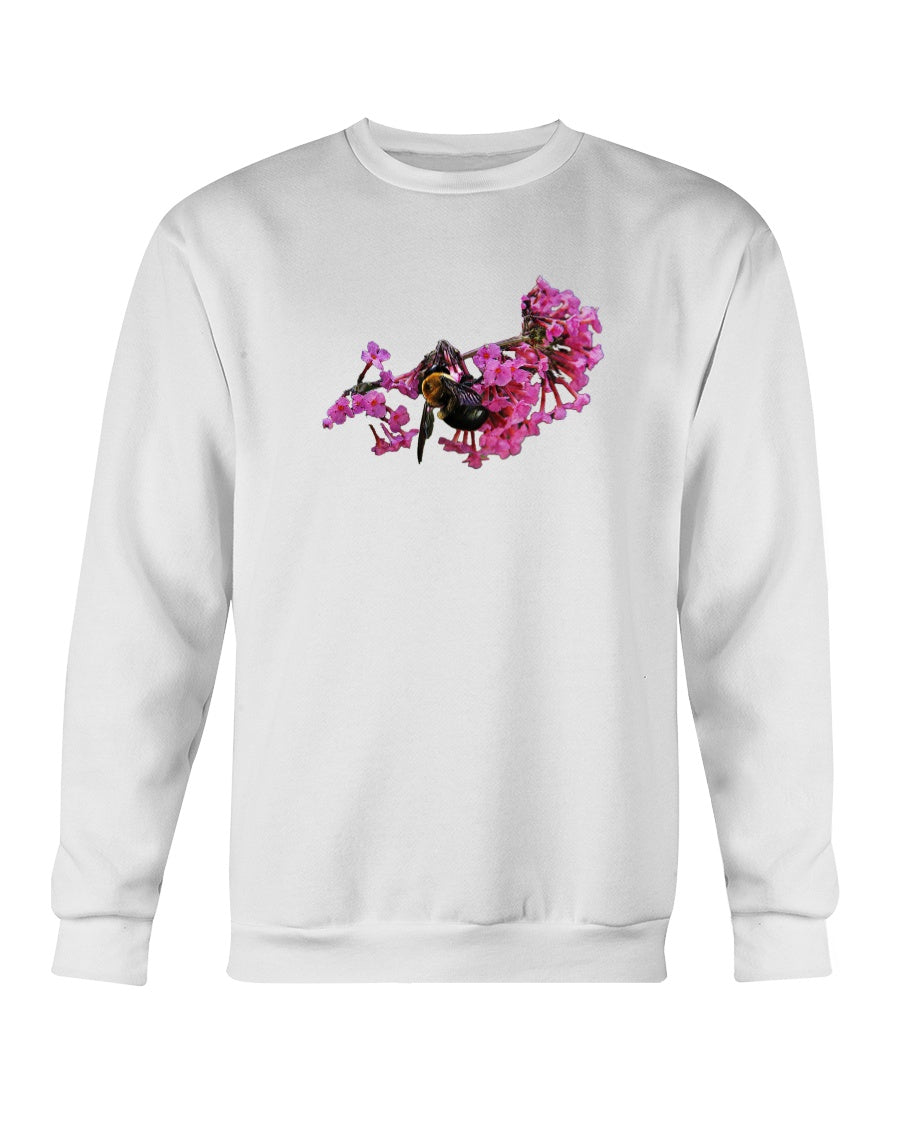
SHOP NOW
4. ELIMINATE PESTICIDES
It might sound obvious, but you can’t protect bees while spraying chemicals designed to kill insects. Neonicotinoids and other systemic pesticides can remain in plant tissues for a long time, poisoning the very nectar and pollen the bees are coming for.
Instead of reaching for the spray:
- Tolerate a Little Damage: A few chewed leaves mean your garden is actually part of the food web.
- Invite Beneficial Predators: Ladybugs and lacewings will handle your aphid problems if you give them a chemical-free environment to work in.
- Hand-Weed: It's more work, but it's much safer for the ecosystem. Plus, it gives you more time to admire your flowers!
BEE AND BUTTERFLY HABITAT FUND, BEE POLLINATING GRAPHIC, MOSS APPAREL, LONG SLEEVE T-SHIRT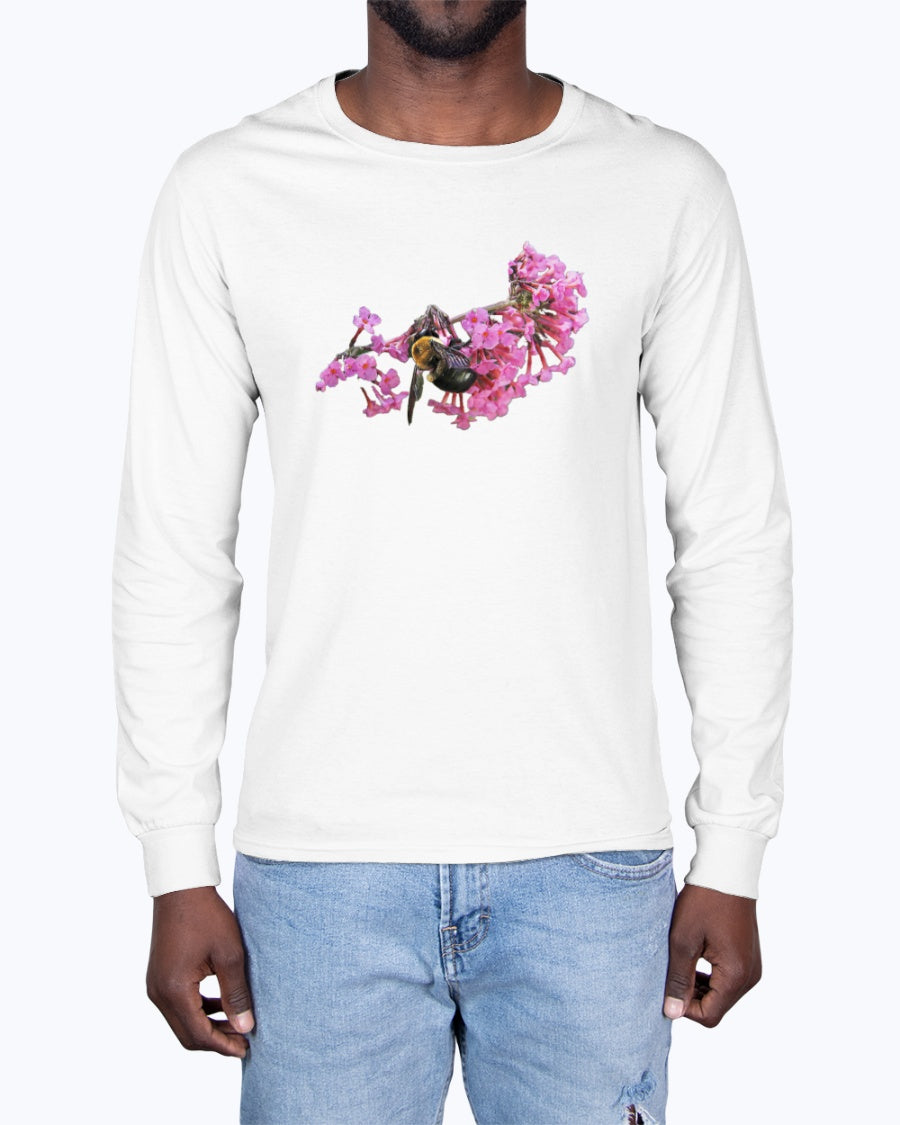
SHOP NOW
5. WEAR YOUR VALUES AND SPREAD THE WORD
Conservation is a team sport. By supporting organizations like the Bee and Butterfly Habitat Fund, you’re helping scale these efforts to a national level. At Moss Apparel, we believe your clothing should do more than just look good: it should stand for something.
When you wear a piece from our collection, you aren't just wearing a high-quality cotton tee; you're funding the restoration of real-world habitats. Every purchase makes a measurable impact. Talk to your neighbors about your garden, show off your native plants, and help us turn the tide for pollinators.
HUMMING BIRD IN FLIGHT B&W DESIGN MADE IN THE USA T-SHIRT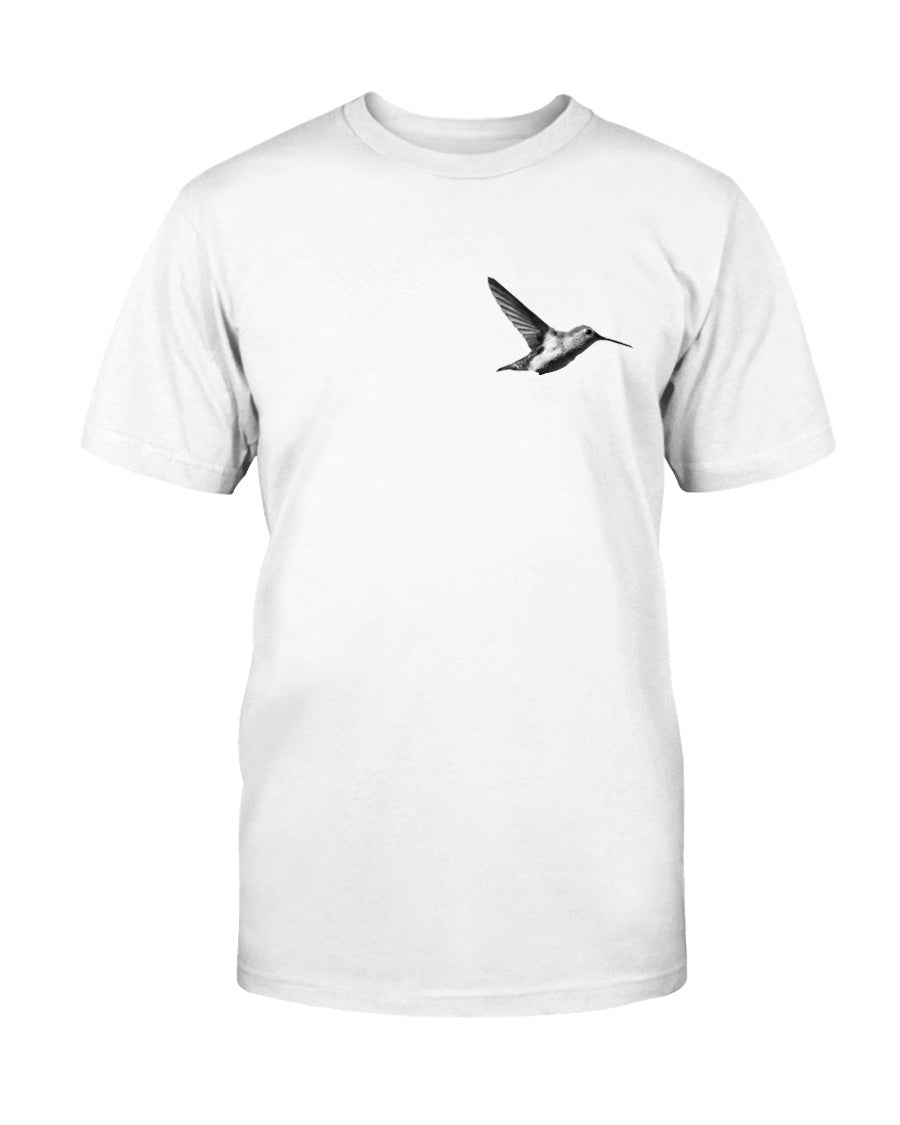
SHOP NOW
WHY WE DO IT
At Moss Apparel, our mission is simple: Wear Your Values. We sell premium apparel featuring high-quality photography of real wildlife and landscapes, but the real magic is what happens after you click "buy." 10% of every single purchase directly funds our conservation partners.
Through our partnership with the Bee and Butterfly Habitat Fund, we are working to ensure that every acre of habitat works harder for pollinators, people, and the planet. Our products are designed to be durable and comfortable for everyday wear, using preshrunk jersey knits and premium cotton blends.
JOIN THE MOVEMENT
- FREE SHIPPING for orders over $60.
- CONSERVATION: 10% of every purchase goes to wildlife protection.
- SUSTAINABILITY: Every order plants 2 trees and removes 10 plastic bottles from the ocean.
VIEW FULL POLLINATOR COLLECTION


