


Every minute, the equivalent of one garbage truck of plastic is dumped into our oceans. It’s a staggering statistic that can make the problem feel insurmountable. But at Moss Apparel, we believe in tangible action over despair. That’s why we’ve partnered with Seven Clean Seas, an ocean-impact organization that doesn’t just talk about the problem: they’re building the infrastructure to solve it.
When you purchase an item from our Seven Clean Seas Collection, 10% of that sale goes directly toward their mission of removing plastic from the world’s most polluted hotspots. But have you ever wondered what actually happens after that plastic is pulled from a river in Indonesia or a beach in Thailand?
It doesn't just go to a landfill. It enters a sophisticated, circular recovery model designed to give "trash" a second life while empowering local communities. Let’s take a look inside the recovery journey.
1. The Front Lines: Collection and Interception
The first step in the Seven Clean Seas model is stopping the "leakage." Most ocean plastic actually starts in rivers. Seven Clean Seas utilizes specialized High-frequency Plastic Recovery Units (affectionately known as HIPPO units) and modular barrier systems to intercept plastic in high-leakage zones before it ever reaches the open sea.
Beyond these mechanical interceptors, they run large-scale coastal cleanups and community-based collection programs. Unlike many organizations that rely on informal waste picking, Seven Clean Seas provides 100% formal employment. This means their crews in places like Bintan, Indonesia, receive fair wages, social security, and safe working conditions.
2. Sorting: The Critical Pivot Point
Once the plastic is collected, the real work begins. You can't just toss a "bag of ocean plastic" into a recycling machine. It’s often a mix of PET bottles, tangled fishing nets, snack wrappers (LDPE), and heavy HDPE containers, much of it covered in salt and bio-fouling.
Every gram of recovered material is brought to a sorting facility where it is meticulously separated by hand. This is the most crucial part of the process because it determines the material's future:
- High-Value Plastics: Clean PET (water bottles) and HDPE (detergent bottles) that can be sold to local recyclers to be turned back into new packaging.
- Low-Value Plastics: This includes "multi-layer packaging" like crisp packets or thin plastic bags that traditional recycling centers usually reject.
Sorting ensures that nothing is wasted and that every piece of plastic finds its most sustainable "end-of-life" or "new-life" path.
Featured Product: Mangrove Underwater Photography Heavyweight T-Shirt
Our Mangrove tee celebrates the Earth’s natural filtration system. Just as mangroves protect our coastlines, your purchase of this shirt helps Seven Clean Seas protect our waters.
Mangrove Underwater Photography Heavyweight Seven Clean Seas Cotton T-Shirt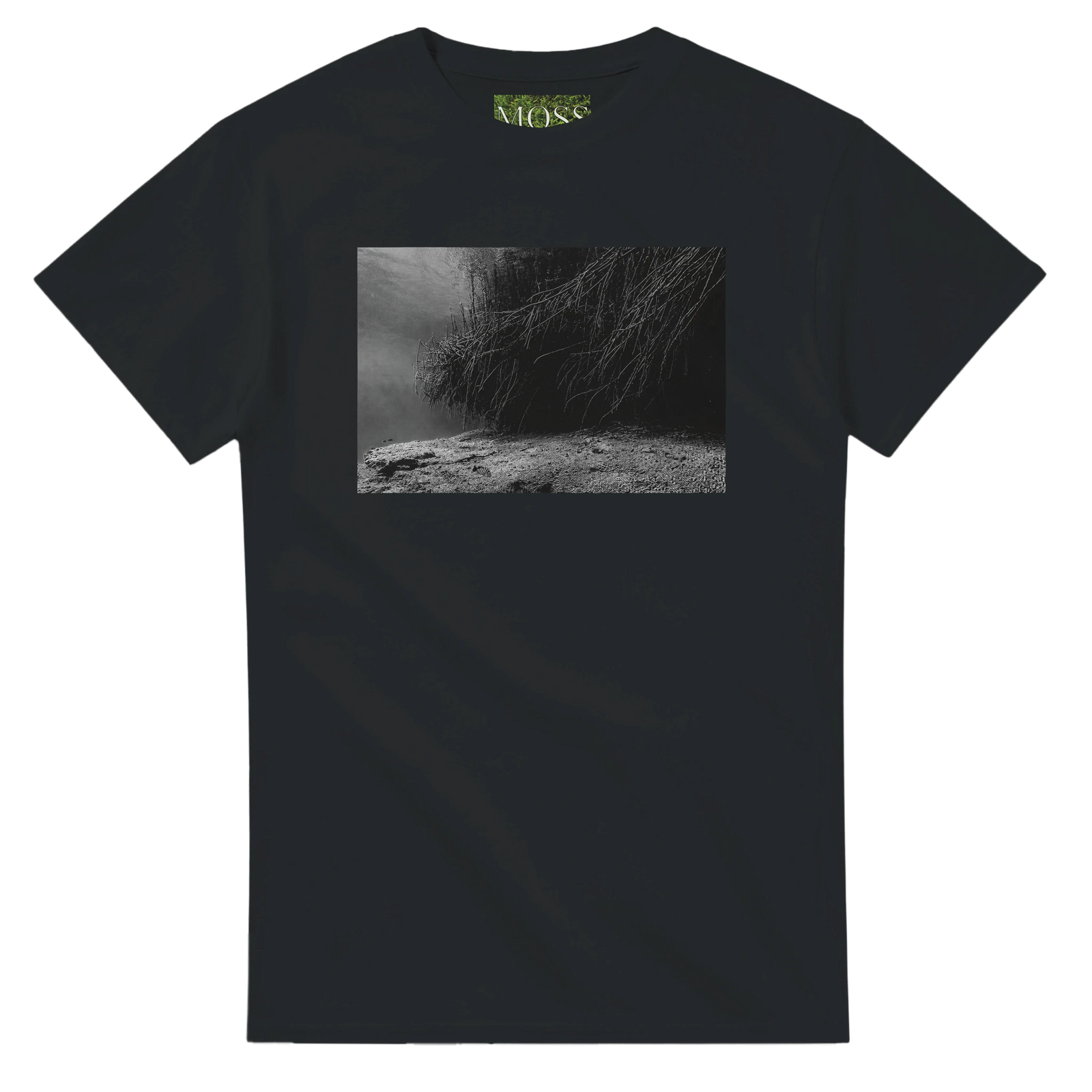
SHOP NOW
3. Processing and the Circular Economy
This is where the magic happens. Seven Clean Seas is a pioneer in the circular economy, finding innovative ways to use the "unrecyclable" low-value plastic that others leave behind.
Mechanical Recycling
For high-value plastics, the material is cleaned, shredded into flakes, and melted into pellets. These pellets are then used by manufacturers to create new products, reducing the need for virgin plastic made from oil.
Upcycling into Building Materials
What about the thin plastic bags and mixed waste? Seven Clean Seas has developed methods to transform these into durable building materials. In Bintan, they have pioneered the creation of roof tiles made from LDPE plastic. Each tile contains approximately 2.5 kg of recovered plastic. They also produce "plastic bricks" and community infrastructure items like customizable coasters and keychains.
By turning trash into treasure, they create an economic incentive to keep cleaning. The plastic isn't just "removed": it's repurposed into something that will last for decades.
4. Certification and the 100M kg Goal
Transparency is everything in conservation. Seven Clean Seas uses a "Plastic Credit" system, often certified by third parties like Verra. This allows every kilogram of plastic removed to be tracked, audited, and verified.
Their goal is as bold as it is necessary: to remove 100 million kilograms of plastic by 2030.
When you wear a piece from the Moss Apparel Seven Clean Seas collection, you aren't just wearing a shirt; you are a stakeholder in that 100-million-kg goal.
Featured Product: Seven Clean Seas Sustainable Hoodie
Featuring Robert Moss’s breathtaking "School of Fish" photography, this midweight hoodie is the perfect layer for coastal adventures. It’s made with 80% ring-spun US cotton and directly supports the recovery efforts mentioned above.
Seven Clean Seas Sustainable Hoodie – School of Fish Photography by Robert Moss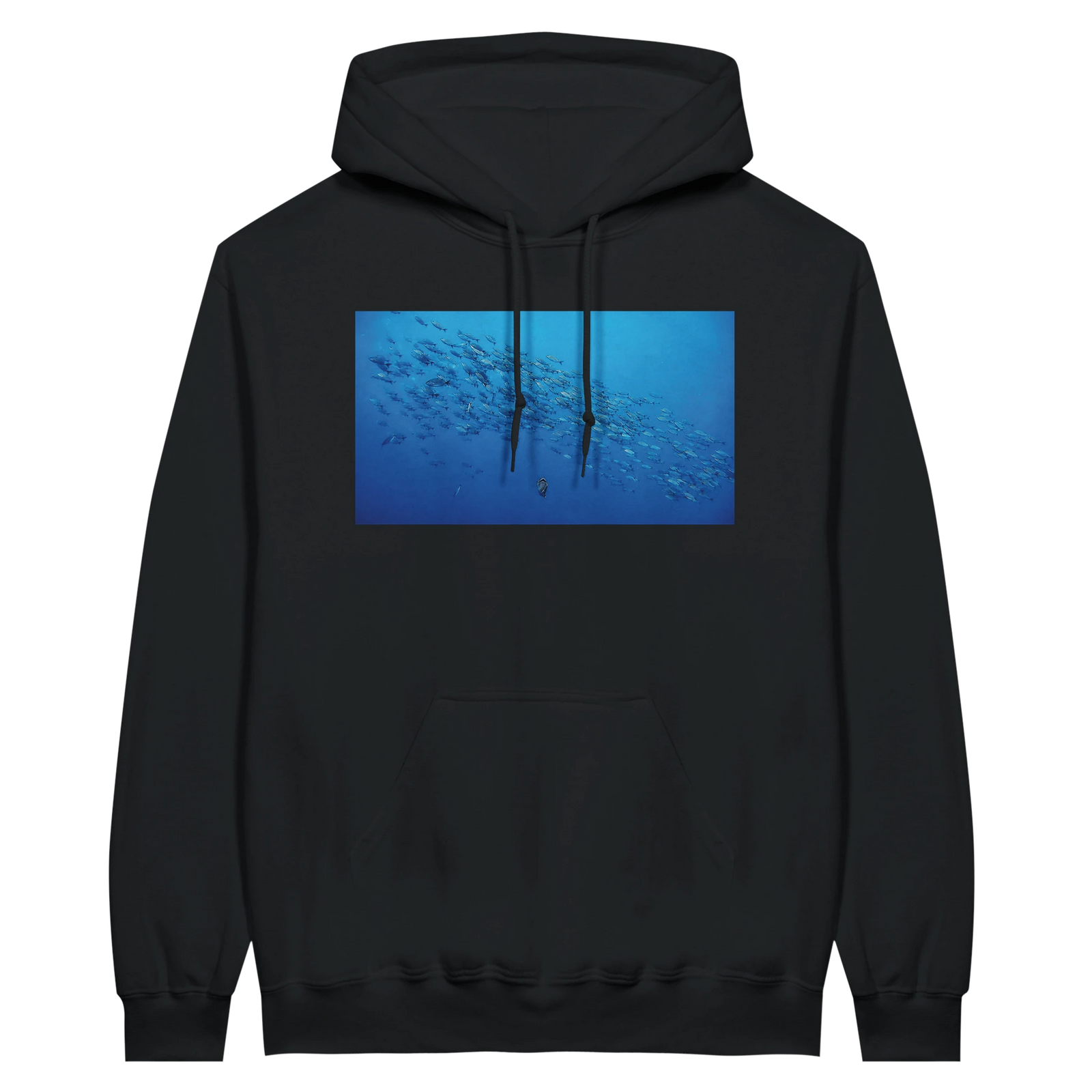
SHOP NOW
Why Moss Apparel Chooses Seven Clean Seas
We chose to partner with Seven Clean Seas because their model is holistic. They don't just treat the symptoms; they fix the system. By combining high-tech interception with community-focused labor and innovative upcycling, they are creating a blueprint for how we can finally close the tap on ocean plastic.
Our commitment is simple:
- 10% DONATION: 10% of every purchase from this collection goes to Seven Clean Seas.
- HIGH-QUALITY PHOTOGRAPHY: Every design features real wildlife and landscapes captured by Robert Moss, reminding us exactly what we are fighting to protect.
- DURABLE APPAREL: We believe the most sustainable garment is the one you don't have to replace. Our heavyweight tees and hoodies are built to last.
Featured Art: Water Ripples Aluminum Wall Art
Nature has a way of creating the most perfect patterns. This aluminum print captures the ripples of a fish breaking the surface in Mexico. It’s a minimalist, high-impact piece that brings the serenity of the water into your home.
Water Ripples Aluminum Wall Art - Photography by Robert Moss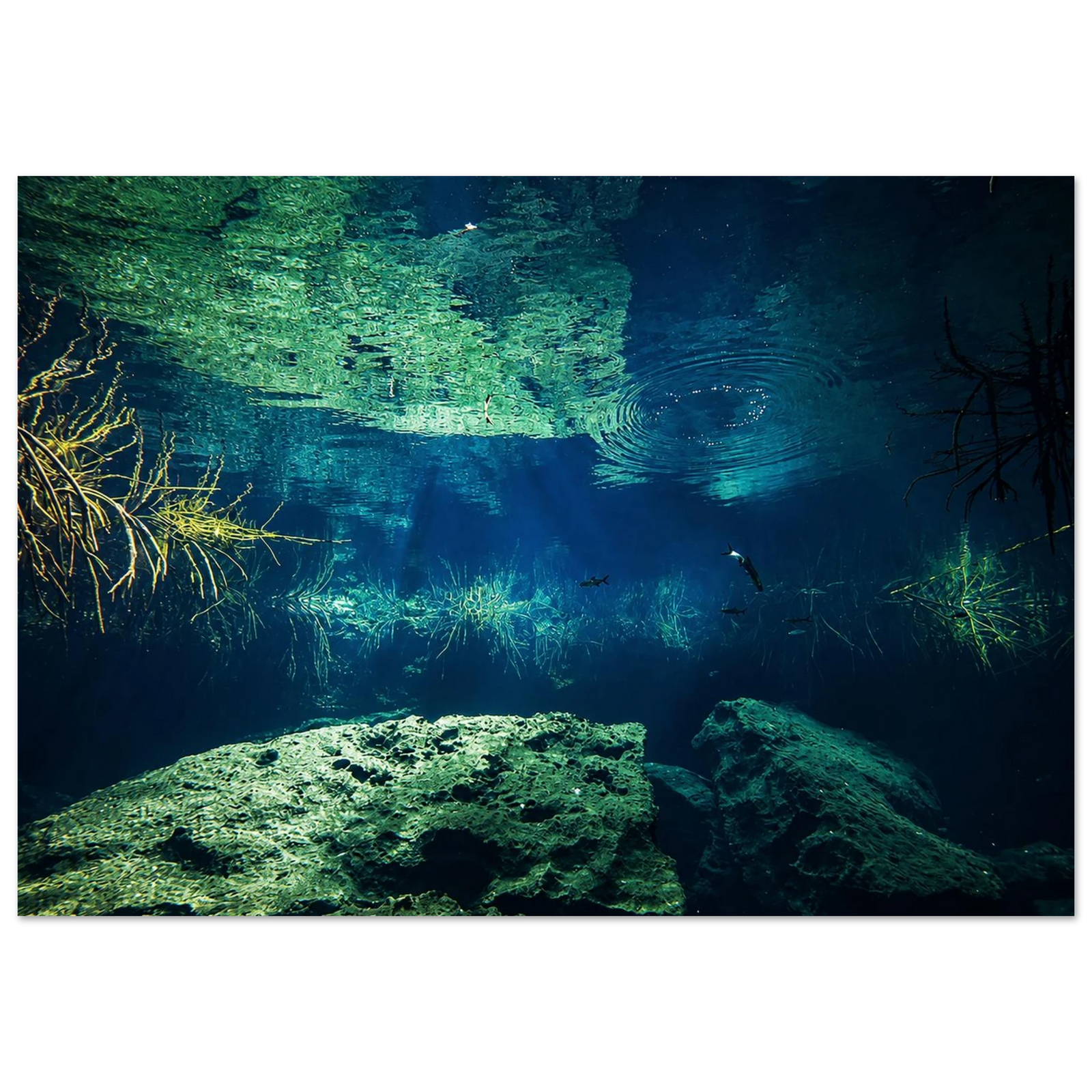
SHOP NOW
Wear Your Values
The next time you pull on your Ocean Life Longsleeve T-Shirt, remember the journey. Remember the crews in Indonesia sorting through the day's collection. Remember the HIPPO units standing guard at the river mouths. And remember that because of your choice, there is a little less plastic in the blue and a little more hope for our oceans.
Together, we can reach that 100M kg milestone.
SHOP THE SEVEN CLEAN SEAS COLLECTION
FREE SHIPPING ON ALL ORDERS OVER $60.
@moss_apparel


