


Sea turtles have navigated the world’s oceans for over 100 million years, surviving the extinction of the dinosaurs and witnessing the shift of continents. Today, however, these ancient voyagers face a modern adversary they aren’t evolutionarily equipped to handle: plastic.
At Moss Apparel, we believe that understanding the science behind these threats is the first step toward meaningful conservation. Our Seven Clean Seas collection was created to bridge the gap between high-quality, comfortable apparel and direct environmental action. When you wear a piece from this collection, you’re not just wearing a stunning photograph by Robert Moss; you’re funding the removal of plastic from the very waters these turtles call home.
The Science of Ingestion: A Fatal Mistake
Research indicates that more than half of the world's sea turtles have ingested plastic. The reason isn't a lack of intelligence; it’s a matter of biology. Many species of sea turtles, particularly Leatherbacks, primarily eat jellyfish. To a hungry turtle, a floating white plastic bag looks nearly identical to their favorite snack.
Science has uncovered even more insidious reasons for ingestion. "Bio-fouling": the process where algae and small marine organisms grow on floating plastic: creates a scent that mimics the smell of food. Turtles are essentially lured into eating trash by their own highly developed sense of smell.
The Physiological Cost
The impact of eating plastic is devastating. According to studies conducted by CSIRO and the University of the Sunshine Coast, a single piece of plastic gives a sea turtle a 22% chance of dying. If that number reaches 14 pieces, the mortality rate jumps to 50%.
Ingestion leads to:
- Intestinal Blockages: Large pieces of plastic can physically block the digestive tract, leading to a slow and painful death by starvation.
- Floating Syndrome: Ingested plastic can trap gases in the turtle's gut, making them unnaturally buoyant. A "floater" turtle cannot dive for food or escape predators and is significantly more likely to be struck by boats.
- Dietary Dilution: When a turtle’s stomach is full of non-nutritive plastic, it experiences "false satiety," meaning it feels full despite receiving zero nutrients, eventually leading to malnutrition.
SHOP THE CONSERVATION COLLECTION
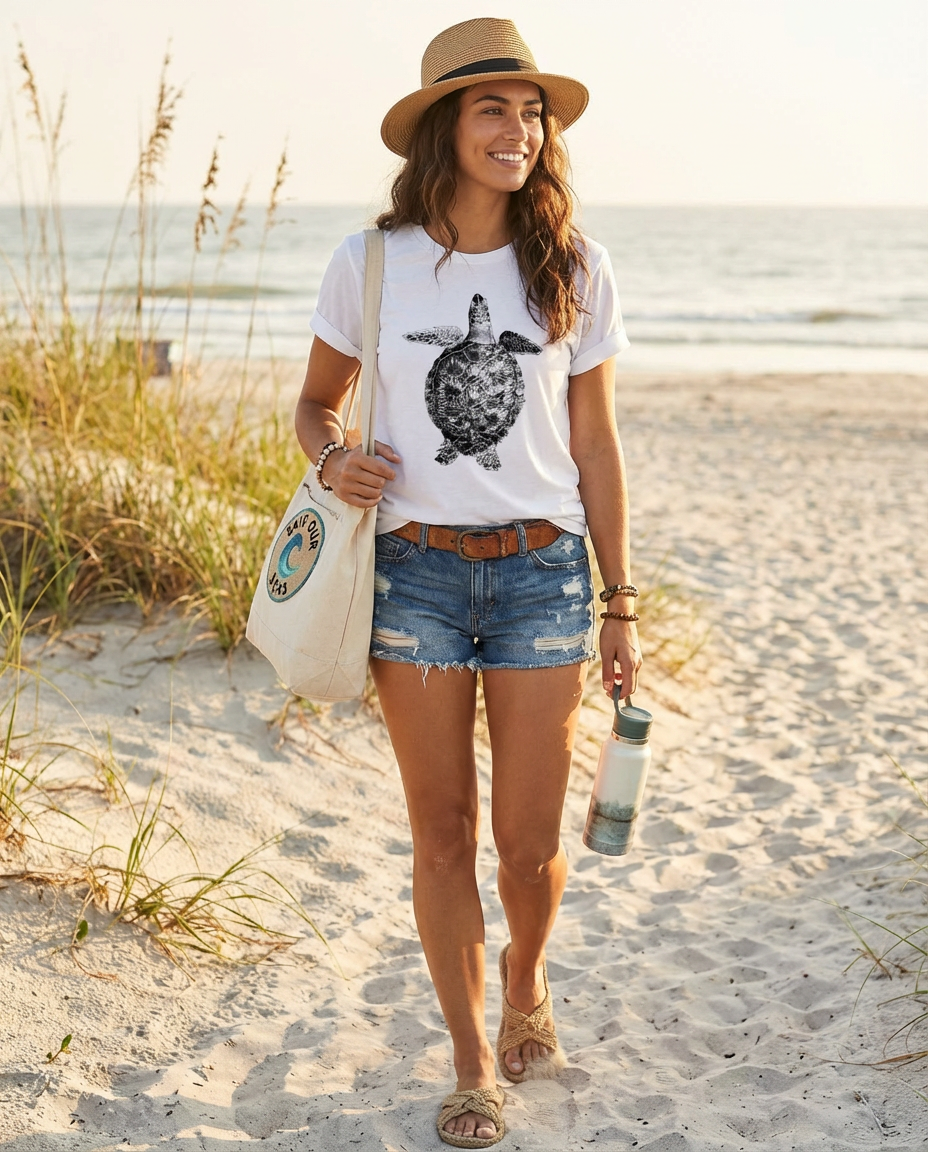
Sea Turtle Swimming Along Sarasota Florida Coast – Wildlife Apparel by Moss Apparel
This lightweight, breathable tee features a majestic sea turtle captured by Robert Moss. It’s made from premium Airlume combed cotton, offering superior comfort while supporting Seven Clean Seas.
Entanglement: The Danger of "Ghost Gear"
While ingestion is often internal and hidden, entanglement is a visible, violent threat. Approximately 1,000 sea turtles die every year from becoming entangled in plastic debris, specifically "ghost gear": lost or discarded fishing nets, lines, and ropes.
Research from the University of Exeter found that a staggering 91% of turtles found entangled in ghost gear had already died. For those that survive the initial encounter, the consequences are often life-altering. Entanglement causes deep lacerations, infections, and the loss of flippers. The added "drag" from carrying heavy nets makes it nearly impossible for a turtle to forage effectively or reach the surface to breathe, often leading to drowning.
Habitat Degradation: More Than Just the Water
The threat of plastic doesn't end at the shoreline. Plastic pollution is fundamentally altering the nesting beaches sea turtles rely on for survival.
Physical Obstruction on Beaches
For a female sea turtle, the journey to lay her eggs is already an exhausting feat. When beaches are littered with plastic debris, she may find it impossible to dig a suitable nest. Scientists have documented many "false crawls," where a female abandons her nesting attempt because she cannot penetrate the layers of trash.
The Microplastic Temperature Shift
Perhaps the most surprising scientific finding is how microplastics affect the sand itself. High concentrations of plastic in beach sand can change its thermal properties. Because the sex of sea turtle hatchlings is determined by the temperature of the sand during incubation (warmer sand produces females), plastic-induced temperature changes can skew sex ratios, potentially leading to a population collapse.
THE HATCHLING'S JOURNEY
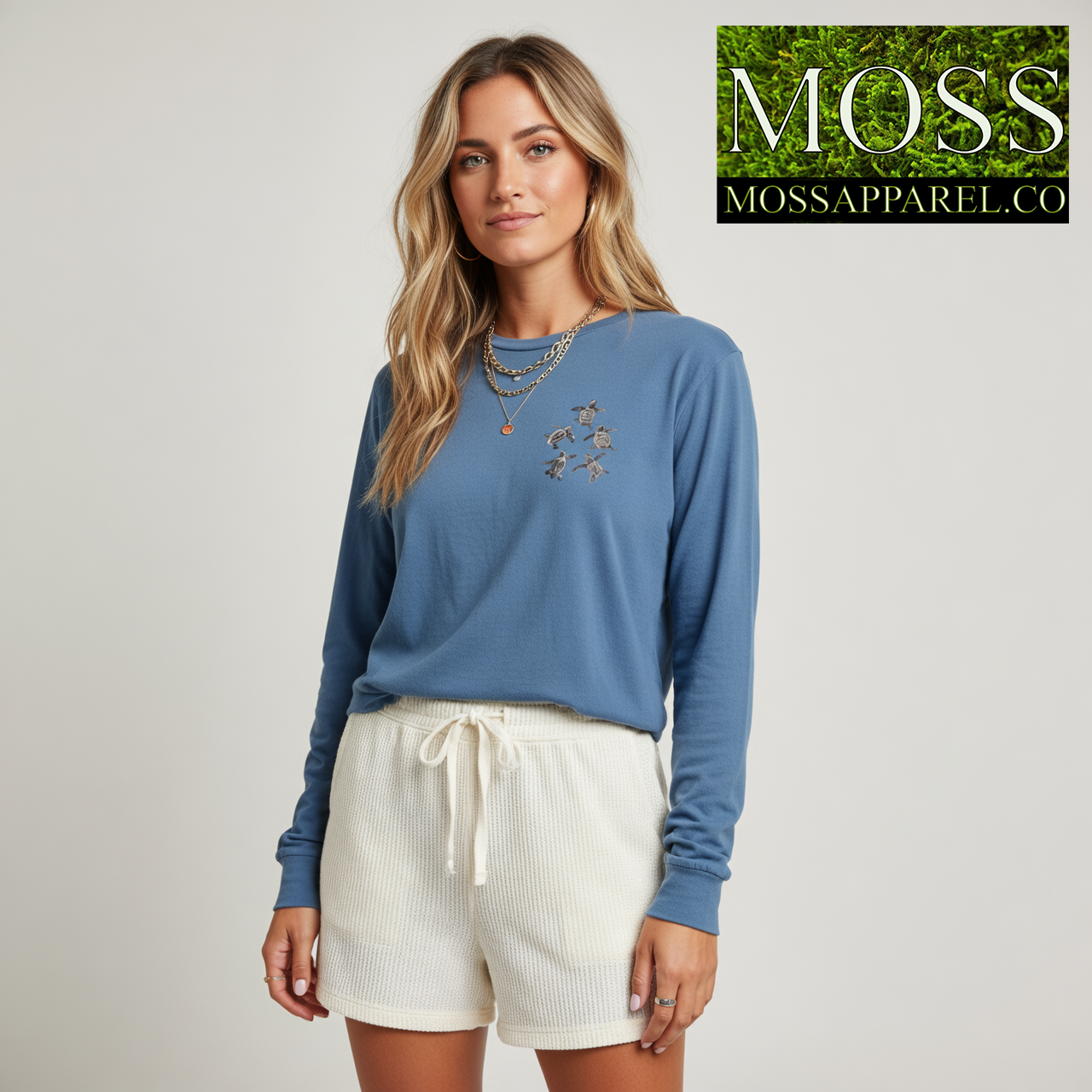
Sea Turtle Hatchling – Wildlife Apparel by Moss Apparel
Our Sea Turtle Hatchling Long Sleeve T-Shirt honors the beginning of a turtle's long journey. 100% preshrunk cotton ensures this shirt stays comfortable wash after wash, while your purchase funds efforts to clear the way for the next generation of turtles.
Partnering for Change: Seven Clean Seas
To combat this global crisis, Moss Apparel has partnered with Seven Clean Seas, an ocean-impact organization dedicated to removing plastic from the world’s most polluted hotspots. Founded in 2018, they have already recovered over 5.5 million kg of plastic through projects in Indonesia and Thailand.
Seven Clean Seas is Verra-certified and operates with a mission to eliminate 100 million kg of ocean plastic by 2030. They don’t just pull plastic out of the water; they build sustainable infrastructure to prevent it from entering the ocean in the first place.
10% of every purchase from our Seven Clean Seas collection goes directly to funding these recovery projects. By choosing Moss Apparel, you are actively participating in the removal of the very plastic that threatens sea turtles.
Featured Products: Wear Your Values
Our Seven Clean Seas collection features high-impact photography that captures the grace of marine life. Each piece is designed for durability and comfort, using premium materials that stand up to the elements.
The Sarasota Sea Turtle Series
Captured off the coast of Florida, this series celebrates the serenity of a sea turtle in its natural habitat.
- Sea Turtle Swimming Along Sarasota Florida Coast Unisex Hoodie: A thick, plush blend of cotton and polyester designed for warmth and a soft feel. Perfect for those cool mornings on the coast.
- Sea Turtle Swimming Along Sarasota Florida Coast Crewneck Sweatshirt: Features a classic fit with air jet yarn for reduced pilling.
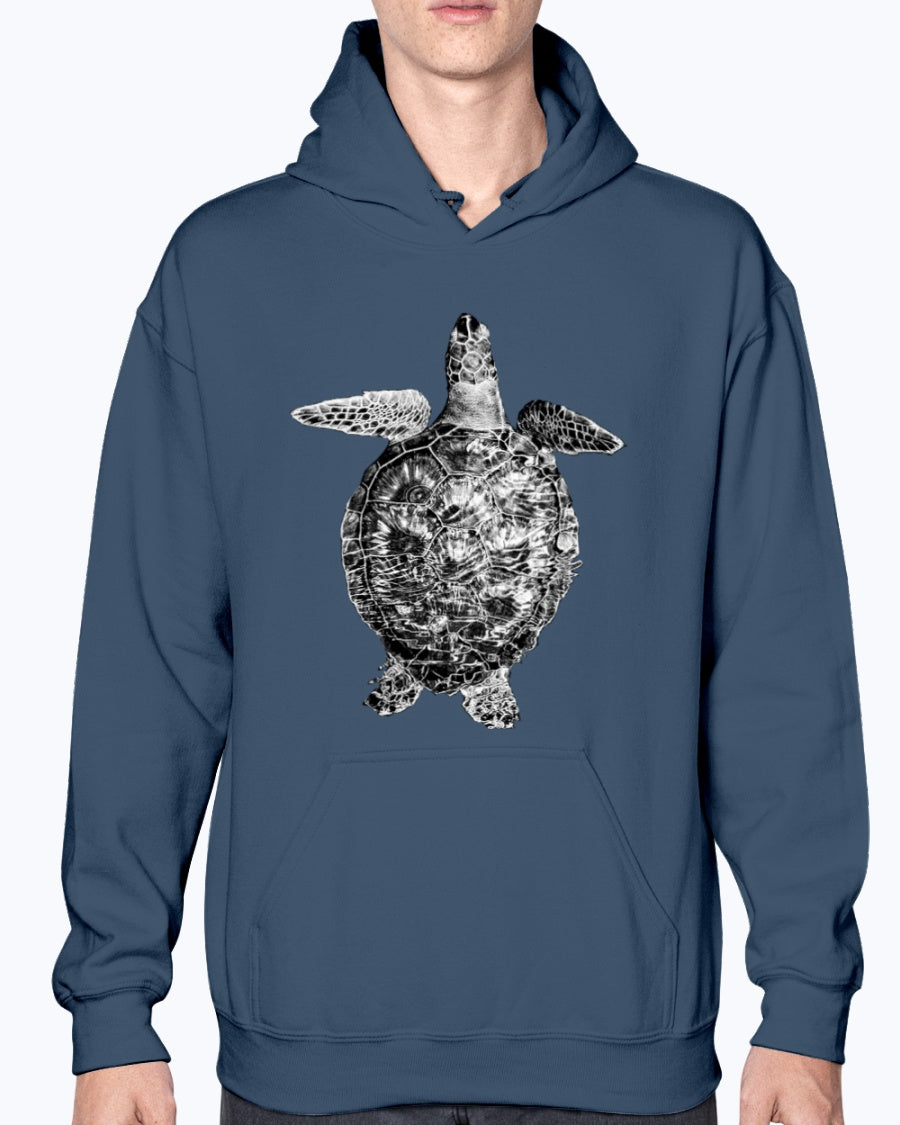
Sea Turtle Sarasota Hoodie – Wildlife Apparel by Moss Apparel
The Sea Turtle Hatchling Series
Focusing on the vulnerability and resilience of new life, the hatchling designs are a fan favorite for their clean aesthetic and powerful message.
- Sea Turtle Hatchling Crewneck Sweatshirt: Durable twin-needle stitching and a tear-away label for itch-free comfort.
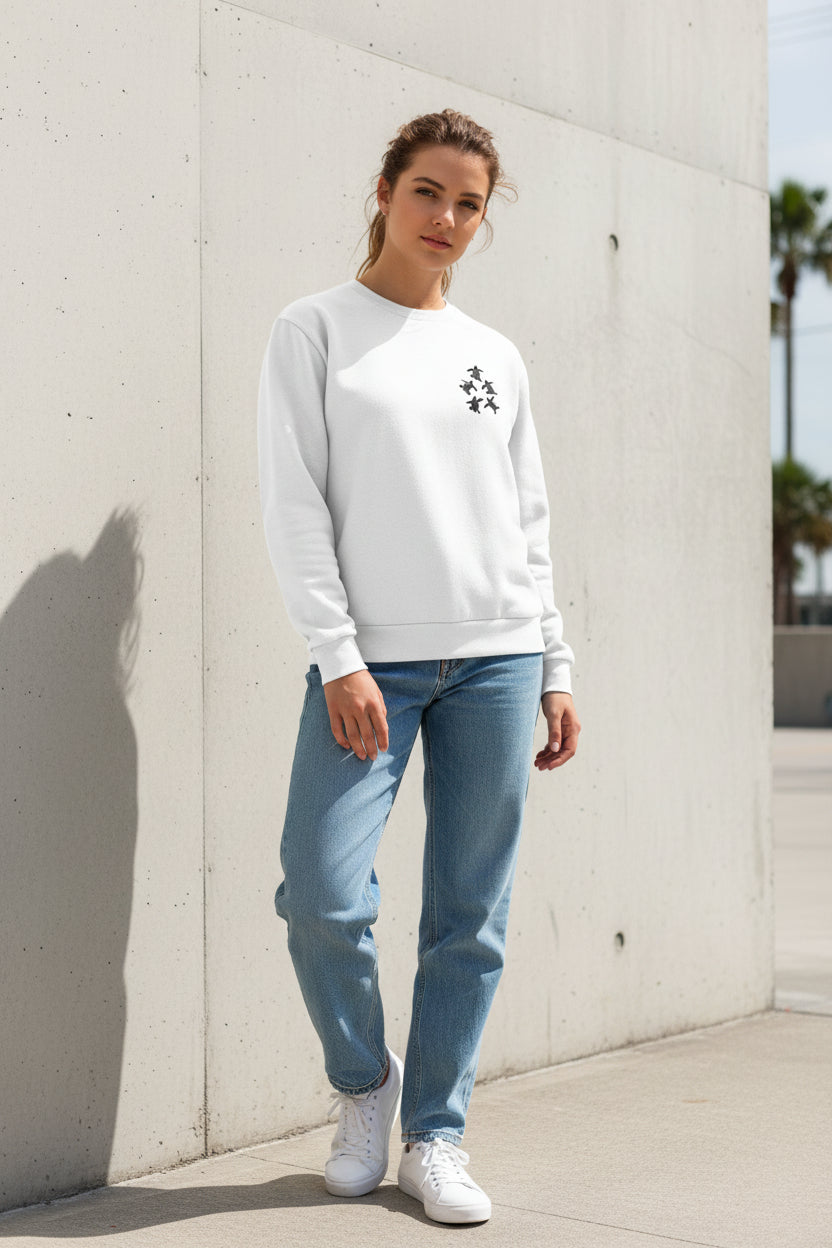
Sea Turtle Hatchling Crewneck – Wildlife Apparel by Moss Apparel
How You Can Help
The scale of the plastic problem can feel overwhelming, but individual actions: when multiplied by a community: create a massive impact.
- Reduce Single-Use Plastics: Swap out plastic bags, straws, and water bottles for reusable alternatives.
- Support Plastic Recovery: Organizations like Seven Clean Seas rely on funding to keep their boats in the water and their crews on the ground.
- Choose Sustainable Apparel: Opt for brands that prioritize conservation. Your wardrobe can be a tool for change.
- Spread the Word: Share the science. Education is the enemy of apathy.
A Blue Planet for Future Generations
The science is clear: plastic pollution is a multi-pathway threat that endangers sea turtles at every stage of their lives. From the moment they hatch on a microplastic-laden beach to their long migrations through debris-filled currents, the odds are stacked against them.
However, the science also shows that these ecosystems are resilient. When we remove the plastic and protect the habitat, sea turtle populations can recover. Moss Apparel is proud to stand with Seven Clean Seas and our community of nature enthusiasts to ensure these ancient mariners continue their journey for another 100 million years.
STAY CONNECTED
Follow us for more conservation stories and photography updates.
SHOP THE FULL SEVEN CLEAN SEAS COLLECTION NOW


