


The rise of sustainable fashion has made organic cotton t-shirts a staple in every conscious wardrobe. They are soft, breathable, and significantly better for the planet than conventional cotton. However, as the demand for eco-friendly apparel grows, so does the prevalence of greenwashing.
Not every shirt labeled "organic" is created equal. From misleading blends to opaque supply chains, the industry is rife with "red flags" that can trick even the most well-intentioned shoppers.
If you are looking for high-quality, sustainable apparel that actually lives up to its claims, you need to know what to look for. Here are the 7 red flags to watch for before you buy your next organic cotton t-shirt.
1. Lack of Verifiable Certifications
The biggest red flag is a brand that claims its cotton is "organic" but cannot provide a third-party certification. In the textile world, GOTS (Global Organic Textile Standard) and OCS (Organic Content Standard) are the gold standards.
GOTS is particularly rigorous, covering the entire supply chain from harvesting to labeling. If a brand uses vague terms like "ethically sourced" or "natural fibers" without a certification logo or license number, there is a high chance the cotton isn't truly organic. At Moss Apparel, we prioritize transparency, using premium materials that you can trust.
2. Misleading "Blends" (The 50/50 Trap)
Many brands market a product as an "organic cotton t-shirt" when it only contains 5% or 10% organic fibers, with the rest being conventional cotton or synthetic polyester. This is a classic greenwashing tactic.
While some blends are designed for performance or durability, they should never be marketed as pure organic cotton. Always check the "Material" section of the product description.
3. Opaque Supply Chains
Where was the cotton grown? Where was it spun? Who sewed the garment? If a brand cannot answer these questions, it’s a major red flag. Most organic cotton is grown in regions with long, complex supply chains that are prone to fraud.
We believe in a shorter, more transparent path. Our apparel is produced using 100% US-grown heirloom cotton. By sourcing domestic cotton, we ensure higher regulatory oversight and a much smaller carbon footprint before the shirt even reaches the printer.
4. Too-Good-To-Be-True Pricing
Organic farming is more labor-intensive and yields less than conventional farming. It also requires expensive certifications. If you see an "organic cotton t-shirt" priced the same as a fast-fashion basic (think $5 or $10), it is highly likely that corners were cut: either in the organic verification process or in the wages paid to workers.
Sustainable fashion is an investment in quality and ethics. A durable, heavyweight organic tee might cost more upfront, but its "cost-per-wear" is significantly lower because it won't fall apart after three washes.
5. No Mention of Dyes or Processing
A shirt can be made of organic fiber, but then treated with toxic synthetic dyes and heavy metals during the manufacturing process. This defeats much of the environmental and health benefits of choosing organic.
Look for brands that mention low-impact dyes or Oeko-Tex certification, which ensures the finished fabric is free from harmful substances. Our focus on Airlume combed and ring-spun cotton ensures that the fabric is not only soft but processed to the highest standards.
6. Small "Green" Capsule Collections
Beware of "The Greenwash Halo." This happens when a massive fast-fashion corporation releases one small "organic" collection to distract from the thousands of other unsustainable products they produce.
True sustainability isn't a marketing department's side project; it should be baked into the brand’s entire business model. At Moss Apparel, conservation and sustainability are our core mission, not a seasonal trend.
7. Lack of Tangible Conservation Impact
Buying organic cotton is a great first step, but what is the brand doing beyond the fabric? If a brand talks about "saving the planet" but doesn't have a direct link to conservation efforts, their claims might be empty.
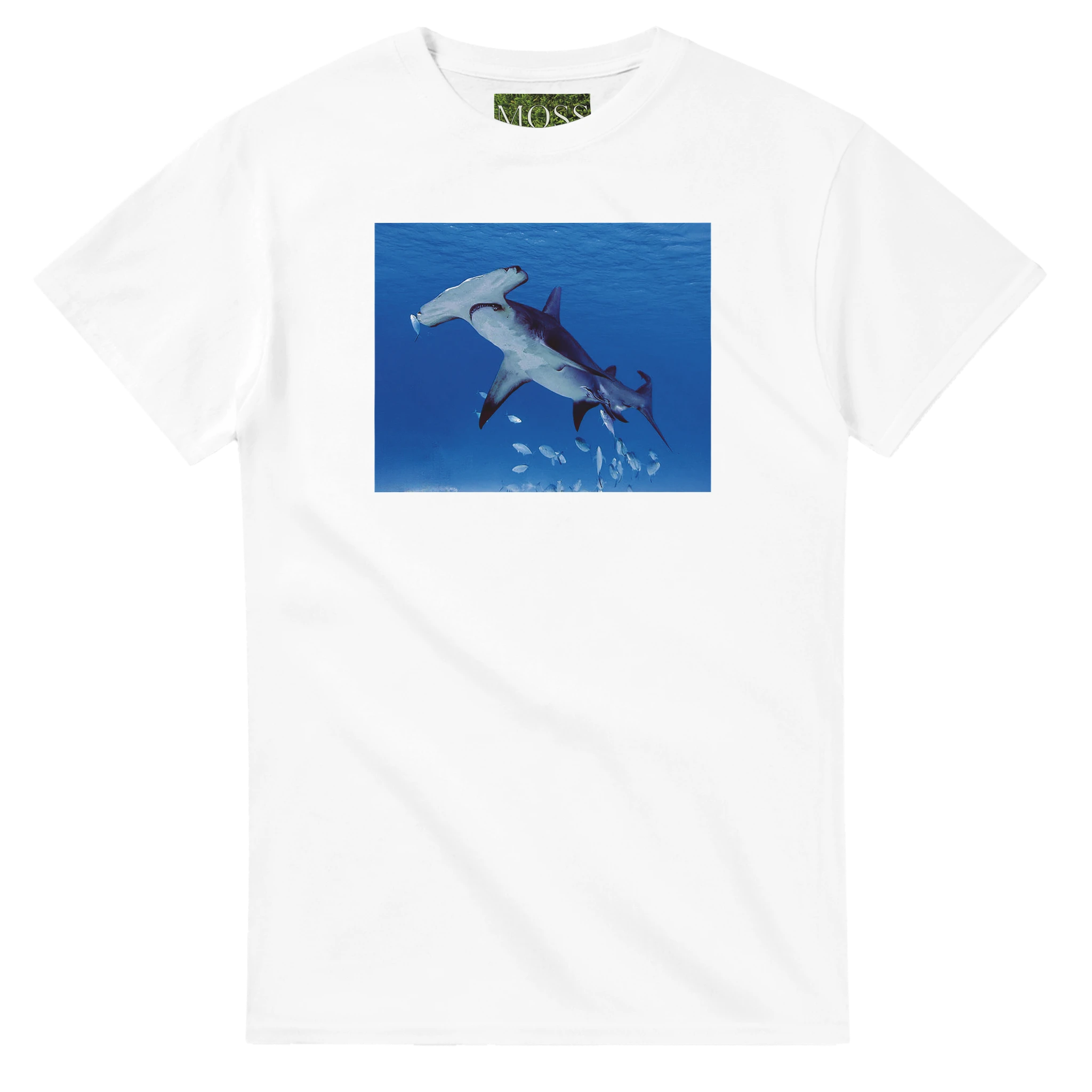
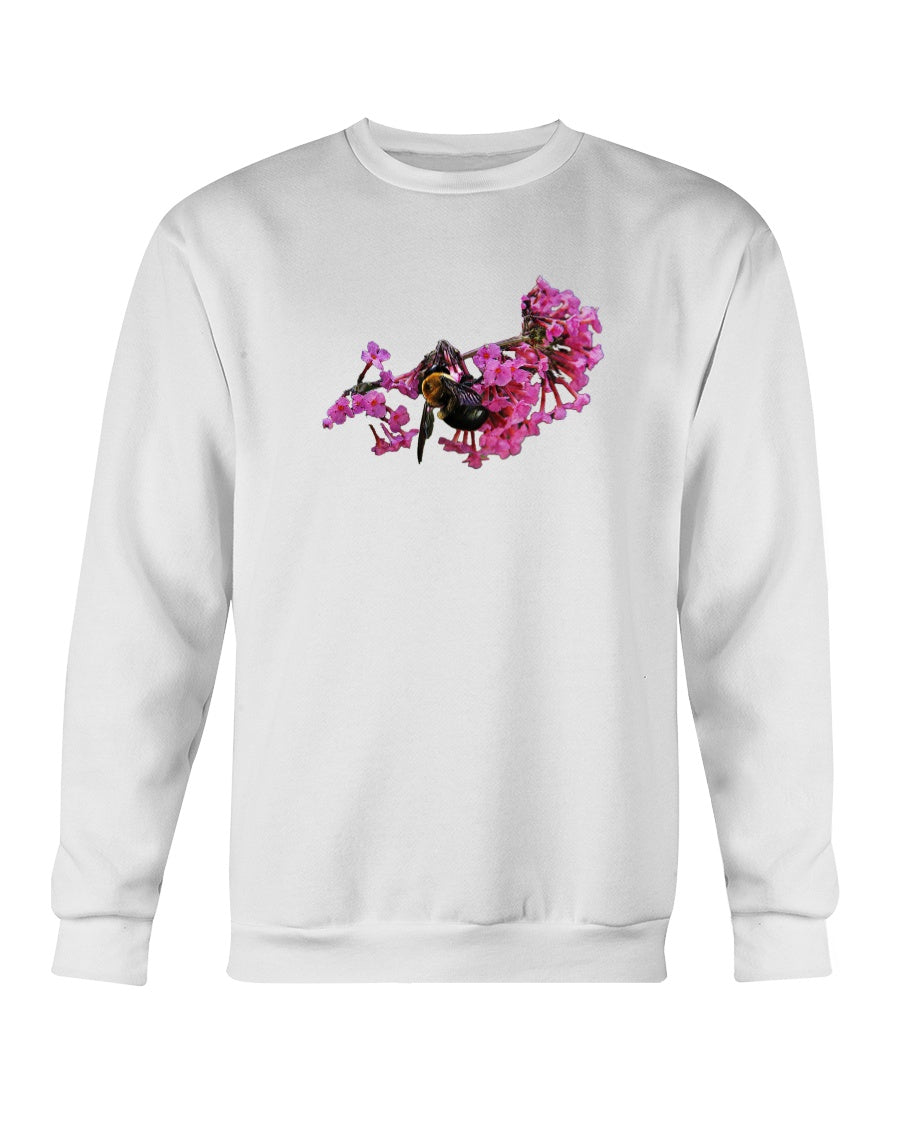
We believe that what you wear should represent your values. That is why 10% of every purchase at Moss Apparel directly funds wildlife conservation. Whether it's supporting the Bimini Shark Lab or the Bee and Butterfly Habitat Fund, your purchase has a measurable impact on the ground.
WHY US-GROWN HEIRLOOM COTTON STANDS OUT
While many brands search for the cheapest organic cotton overseas, we look to the quality of US-grown heirloom cotton. Why? Because supply chain integrity is easier to manage when it's close to home.
Our Airlume combed and ring-spun cotton undergoes an intense combing process that removes 2.5x more impurities than standard cotton. This creates a smoother, stronger, and softer t-shirt that holds its shape and supports the vibrant photography captured by Robert Moss.
FREE SHIPPING FOR ORDERS OVER $60
SHOP ALL WILDLIFE APPAREL
WEAR YOUR VALUES
When you choose a Moss Apparel t-shirt, you aren't just avoiding the red flags of the industry: you are actively contributing to a better world.
- 10% Donated: Every shirt supports partners like the WYldlife Fund.
- 2 Trees Planted: Every order plants two mangrove trees in Kenya.
- 10 Bottles Removed: Every order removes 10 plastic water bottles from our oceans.
@MOSSAPPAREL.CO
@ROBERTMOSS_PHOTOGRAPHY
CLOSE MENU
SHOP NEW ARRIVALS
BROWSE FINE ART


