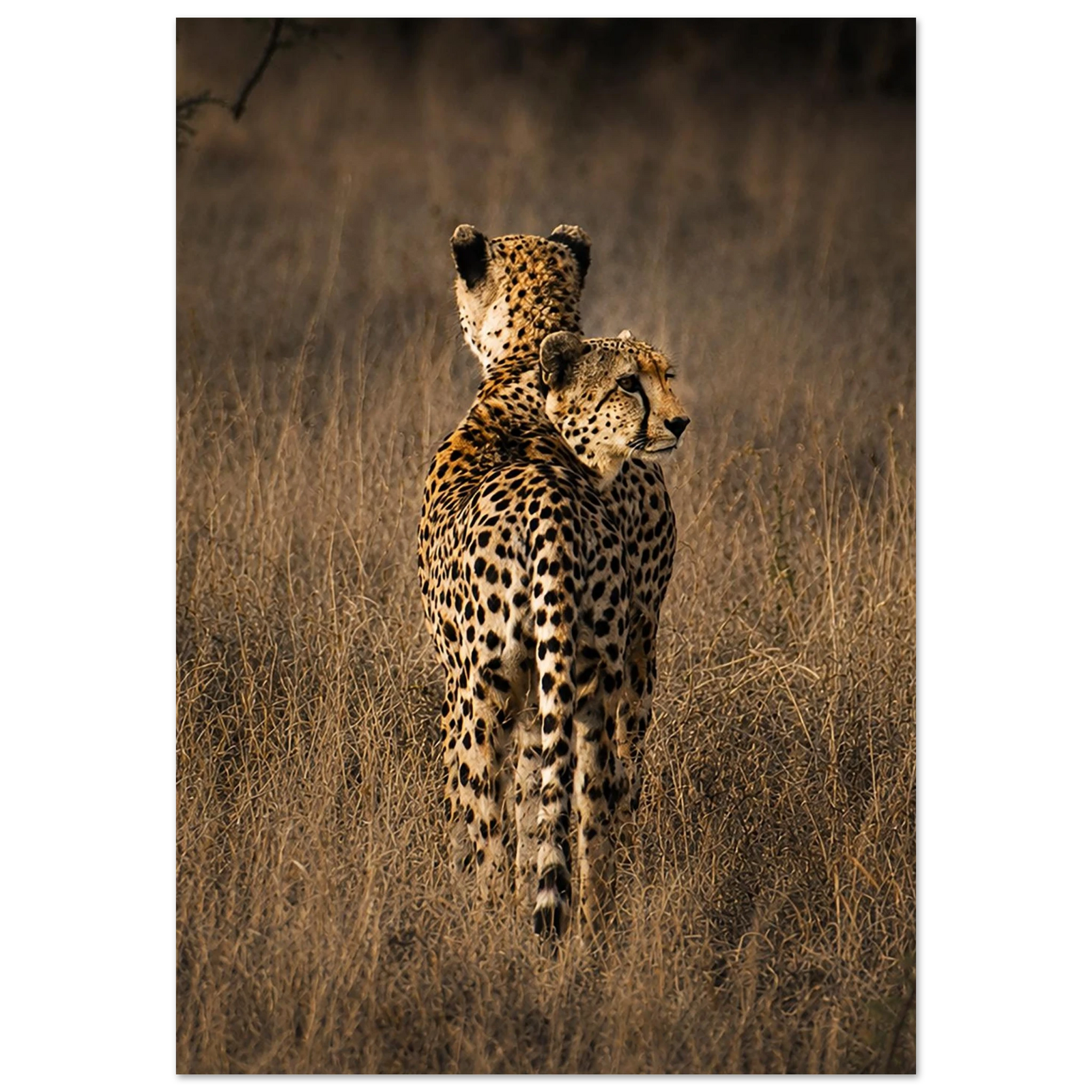
Bringing the majesty of the untamed wilderness into your home through fine art wildlife photography is one of the most rewarding ways to elevate your living space. There is an unmistakable energy that nature wall art brings to a room: a quiet stillness, a pulse of raw power, and an undeniable connection to the earth.
However, after years in the field capturing remote landscapes and elusive fauna, photographer Robert Moss has noticed that many collectors unintentionally sabotage their own investment. Small oversight details in sizing, framing, lighting, and placement can diminish the striking impact of wildlife photography prints.
To help you showcase your animal wall art to its absolute fullest potential, here are seven common mistakes collectors make with fine art photography prints, along with direct, practical fixes from a professional photographer’s perspective.
1. Choosing Too Small a Size for the Wall
The Mistake:
One of the most frequent errors in interior styling is purchasing a print that is far too small for the designated wall space. A modest 8x12 or 16x24 inch print can easily look lost, swallowed up by a massive empty wall or oversized furniture. When you invest in breathtaking wildlife photography wall art, it deserves to command the room.
The Fix:
Scale your artwork correctly. Above a standard sofa or bed, your artwork should ideally span roughly 60% to 75% of the furniture's total width. If you are hanging a statement piece on an open accent wall, aim for the artwork to cover around 50% to 60% of the horizontal wall space. When in doubt, size up. For instance, opting for a grander format allows every intricate detail of the subject to shine without requiring viewers to squint.
2. Hanging Your Prints Too High
The Mistake:
It is a natural instinct to hang art high up on a wall, but this often places the piece well above natural eye level. If your guests have to tilt their heads upward to admire a leopard or an elephant portrait, the connection with the subject is instantly broken.
The Fix:
Follow the golden rule of gallery display: center the artwork roughly 57 to 60 inches from the floor, which corresponds to average human eye level. If you are hanging your fine art photography prints above furniture like a console table or a sofa, keep the bottom edge of the frame just 4 to 6 inches above the surface so the art feels anchored to the room rather than floating away.
3. Ignoring Archival Quality and Material Durability
The Mistake:
Buying cheap posters printed on thin, acidic paper stock means your investment will inevitably yellow, fade, or warp within a few short years when exposed to ambient light and seasonal humidity changes.
The Fix:
Insist on museum-grade materials. Premium fine art wildlife photography demands robust, professional-grade mediums that resist moisture and UV degradation. For example, modern aluminum DIBOND® panels offer exceptional rigidity, vibrant color reproduction, and long-lasting durability without requiring heavy glass framing.
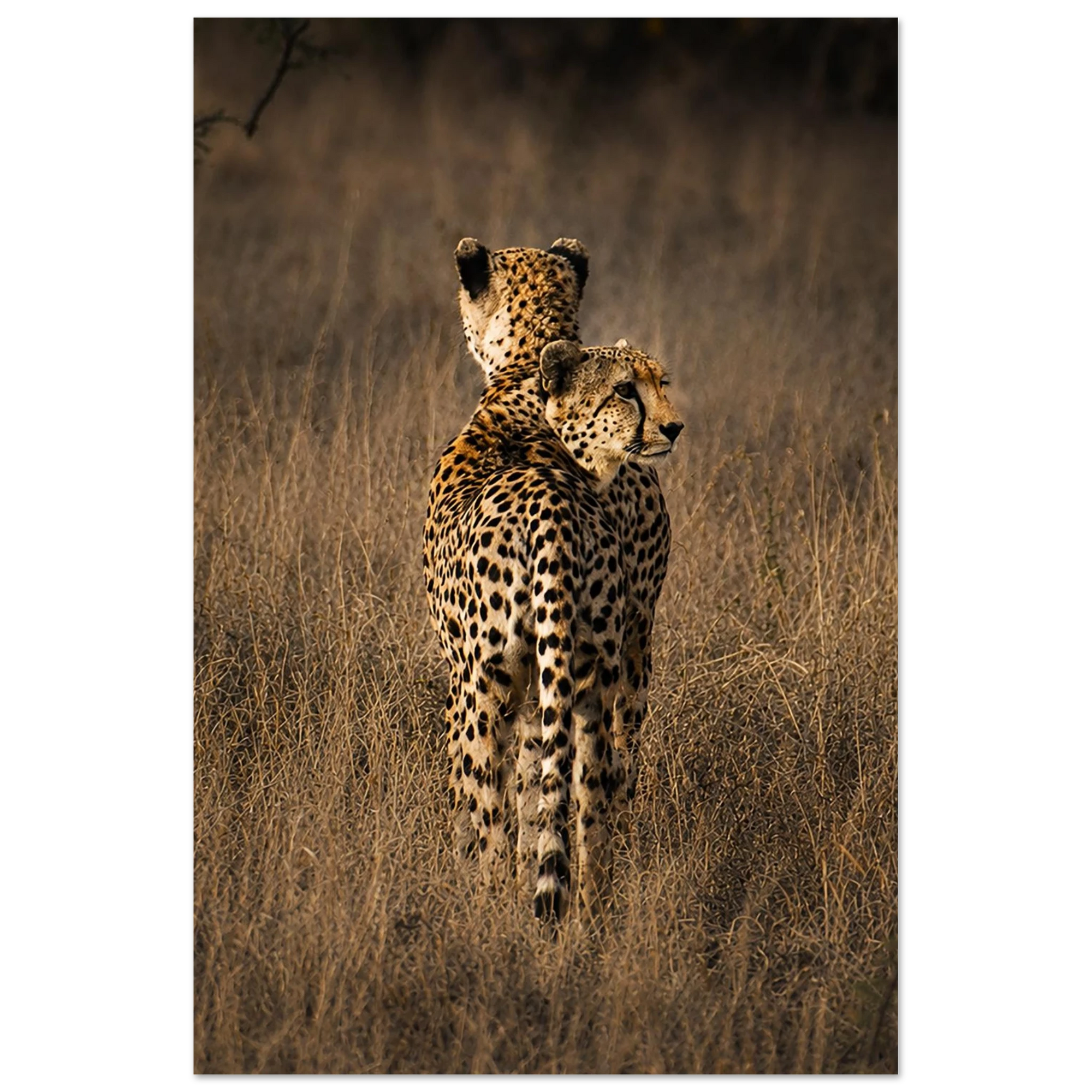
A prime example is the stunning Cheetah Brother's Aluminum Print by Robert Moss. Captured in South Africa, this piece highlights the incredible bond of a cheetah coalition on a sleek 3mm aluminum panel with a glare-free matte finish: combining striking modern aesthetics with uncompromising longevity.
4. Poor Lighting Placement and Glare
The Mistake:
Hanging a high-end print directly opposite a glaring window or under harsh, unshielded overhead spot lighting creates blinding reflections and hotspots. Instead of seeing the nuanced tones of the animal’s coat or the deep shadows of the wilderness, you see the reflection of your living room lamp.
The Fix:
Position your wall art on walls adjacent to windows rather than directly across from them. If artificial illumination is necessary, use adjustable track lighting or soft, warm wall-washers angled at approximately 30 degrees. This eliminates distracting glare while accentuating the subtle texture and depth of the photograph.
5. Matching Art Solely to Room Decor Instead of Emotional Resonance
The Mistake:
Selecting nature wall art strictly because its color palette matches your throw pillows or rug often results in a sterile, impersonal space. Art chosen purely as a decorative swatch lacks soul and fails to capture the true spirit of the wild.
The Fix:
Lead with emotional connection. Choose an image because its atmosphere, narrative, or subject matter resonates deeply with you. Let the mood of the piece dictate the room's energy.
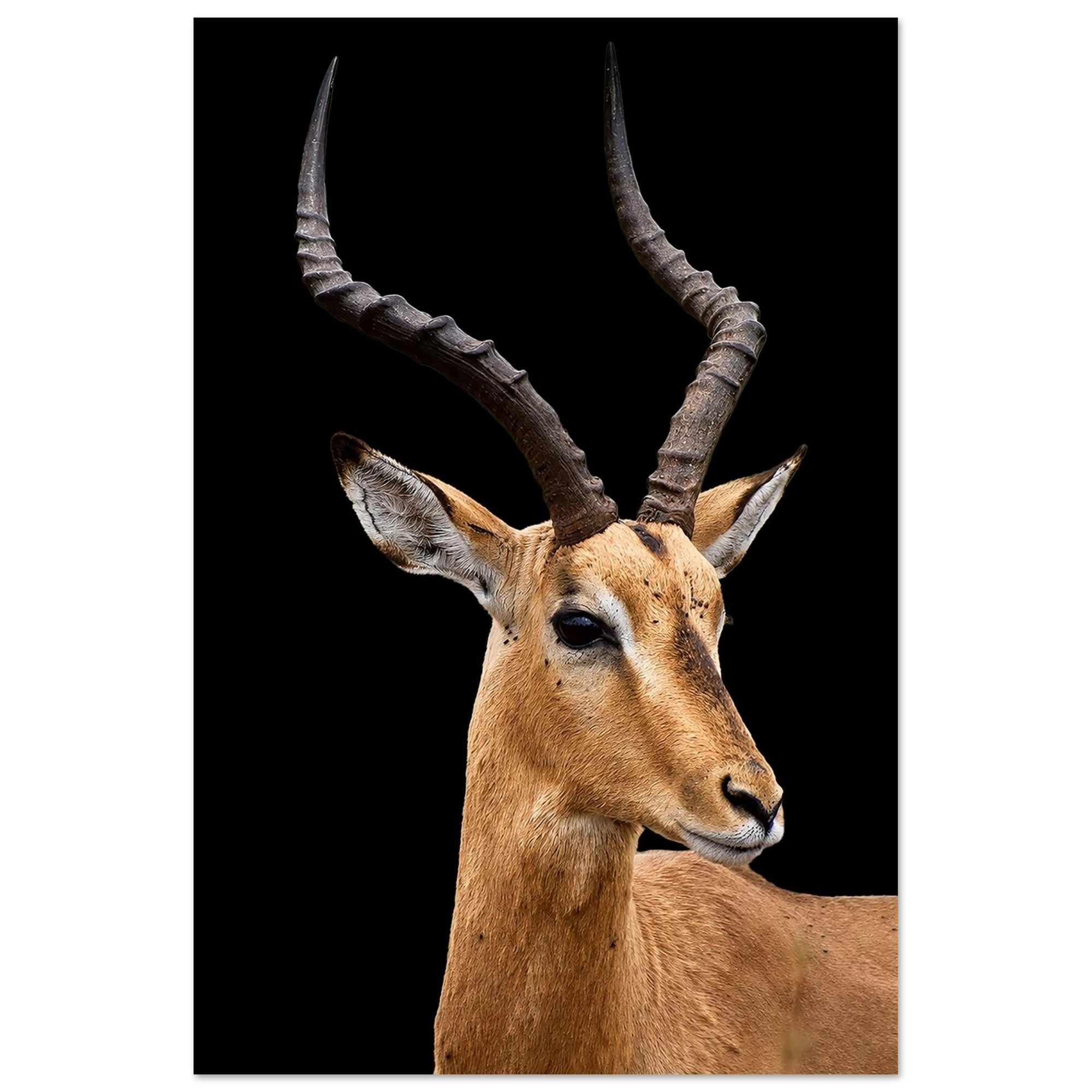
For instance, the striking Antelope Portrait Aluminum Print by Robert Moss brings the quiet, sophisticated grace of South African wildlife into your space. When you love the story behind the photograph, the color harmony within your interior will naturally fall into place around it.
6. Overlooking the Medium and Frame Pairing
The Mistake:
Treating every photograph the same way: dropping every image into a standard black frame behind heavy glass: ignores the unique character of the capture. High-contrast wildlife portraits often need sleek, borderless modern presentations, while moody atmospheric landscapes benefit from specific framing depths.
The Fix:
Match the medium to the subject. Sleek aluminum prints offer a contemporary, borderless aesthetic that emphasizes crisp detail and vibrant color without visual clutter. If you do opt for framed prints, ensure the frame complements the photograph’s tonal range rather than overpowering it.
7. Buying Without Verifying the Artist or Conservation Impact
The Mistake:
Purchasing mass-produced, anonymous prints from big-box retailers disconnects you from the origin of the work and contributes to a cycle of fast-decor waste that harms the very natural world you are trying to celebrate in your home.
The Fix:
Know your photographer and support ethical creators. When you acquire authentic works directly from photographers who spend weeks in harsh field environments, you support genuine field artistry.
Furthermore, you can amplify your positive impact by choosing brands committed to environmental stewardship. At Moss Apparel, 10% of all profits from our fine art photography prints and apparel are directly donated to wildlife conservation efforts, supporting vital sanctuaries and habitat protection initiatives.
Wear and Display Your Values
Transforming your home with exceptional fine art wildlife photography is about more than just filling empty wall space: it is about honoring the beauty of our planet's most magnificent creatures and protecting their dwindling habitats.
FREE SHIPPING ON ALL ORDERS OVER $60!
Explore the complete gallery and find your next statement piece today: